Health & Wellness
Hot Weather Safety and Preventing Heatstroke in Dogs
Keep your dog safe when temperatures climb. Learn the early signs of overheating, which dogs are most at risk, and how to cool a dog down quickly and safely.
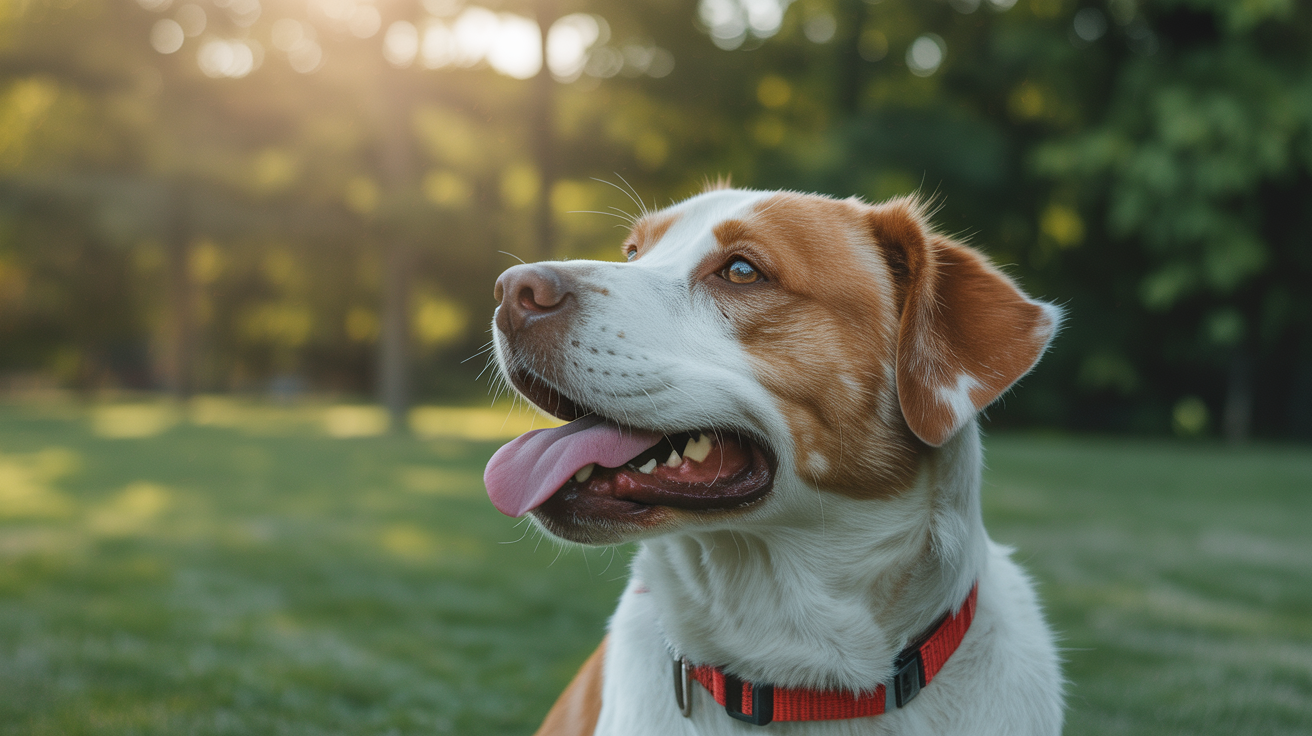
Dogs handle heat poorly compared to most people realise. On a genuinely hot afternoon, a healthy adult dog can move from comfortable to critically overheated in under half an hour, sometimes faster. Knowing the warning signs early, and knowing how to respond, is one of the more important things you can do for your dog's wellbeing.
This guide covers why dogs overheat so quickly, who is most at risk, what the warning signs look like at each stage, and what you should do if your dog is in trouble. It also covers the everyday habits that make heatstroke much less likely in the first place.
Why Dogs Overheat More Easily Than You Think
People shed heat mainly through sweat evaporating from skin. Dogs have virtually no sweat glands across their body surface. The small glands in their paw pads contribute almost nothing at scale. Their primary cooling method is panting, which moves air over moist surfaces in the mouth and throat so that evaporation can carry heat away.
Panting works reasonably well in dry heat with a breeze. It works much less well when the air is humid, because humid air slows evaporation, and not at all when a dog is confined in a space with no airflow. A car is the clearest example of this: a vehicle parked in direct sun on a warm day can reach temperatures that are dangerous for a dog within ten to fifteen minutes, even with a window cracked.
Dogs also tend to keep running, fetching, or playing past the point where a person would have sat down and asked for water. They rely on you to read the situation and call a break before they hit their limit.
A few factors raise the risk further. Brachycephalic breeds, meaning dogs with flat or shortened faces like Bulldogs, Pugs, French Bulldogs, and Boxers, move less air per pant and overheat at lower temperatures than longer-muzzled breeds. Dogs with thick double coats carry more insulation. Older dogs, overweight dogs, and dogs with heart or respiratory conditions all have less reserve capacity. Puppies are also more vulnerable because their thermoregulation is still developing.
Recognising the Signs of Overheating
Heatstroke does not arrive all at once. It moves through stages, and catching it early makes a significant difference in outcome.
Early signs that your dog is getting too warm:
- Heavy, fast panting that does not slow down when the dog rests
- Bright red gums and tongue
- Drooling more than usual, sometimes thick or ropy saliva
- Seeking shade aggressively or lying flat against cool ground
- Slowing down on a walk without an obvious reason
These signs mean the dog is struggling to keep up. Get them to shade and water immediately.
Moderate signs indicate the dog's core temperature is rising into a concerning range:
- Gums turning pale or a darker brick red
- Weakness or stumbling
- Rapid heartbeat you can feel at the chest
- Glassy, unfocused eyes
- Vomiting
At this point you need to start active cooling and get to a vet. Do not wait to see whether your dog improves on their own.
Severe signs are a medical emergency:
- Collapse or inability to stand
- Seizures or muscle tremors
- Unconsciousness
- Breathing that sounds laboured or rasping
- Gums that are grey or white
Call your vet or an emergency animal clinic before you arrive so they can prepare. Do not delay transport.
How to Cool an Overheating Dog Safely
If your dog shows moderate or severe signs, start cooling immediately and move toward veterinary care at the same time.
What to do:
Move the dog to shade or an air-conditioned space right away. Offer small amounts of cool water if they can drink safely and are conscious, but do not force water. Wet the dog with cool tap water, focusing on the neck, armpits, groin, and paw pads, which are the areas where blood vessels run close to the surface. You can use a hose, a bucket, or wet cloths, but use cool water rather than ice or very cold water. Extremely cold water causes blood vessels in the skin to constrict, which actually slows the transfer of heat from the body's core.
Place a fan near the dog if you have one available. Moving air helps evaporative cooling work the way it is supposed to.
What not to do:
Do not cover the dog with wet towels and leave them in place. Wet towels trap heat quickly and become counterproductive within a few minutes. If you use cloths, keep re-wetting them with fresh cool water or just use running water.
Do not give human medication like aspirin or ibuprofen. These are toxic to dogs.
Do not assume the dog is fine once they seem to have cooled down. Internal organ stress from heatstroke can develop over several hours. A vet check is warranted even if your dog appears to recover quickly.
Everyday Habits That Prevent Heatstroke
Most cases of heatstroke are preventable. The habits below make a real difference over a summer.
Adjust walk timing. Early morning and evening are significantly cooler than midday. On days above about 25C (77F), shift exercise to the coolest parts of the day. A quick test for pavement temperature: place the back of your hand flat on the surface for seven seconds. If it is uncomfortable for you, it will burn your dog's pads.
Provide constant shade and water. A dog in the garden needs access to shade they can actually reach, not just a patch that moves throughout the day. Refresh water bowls regularly because warm water is less appealing and dogs drink less of it.
Never leave a dog in a parked vehicle. This point gets repeated because the consequences are so fast and so serious. Even on a mild day, a car interior heats to dangerous temperatures within minutes. There is no safe amount of time to leave a dog in a closed vehicle in warm weather, even with windows down.
Match activity to the individual dog. A young Labrador in moderate weather can handle more than a middle-aged Bulldog in the same conditions. Know your dog's limits and err on the conservative side when conditions are borderline.
Keep them well hydrated. Dogs that drink well are better equipped to handle heat. Bring water on any walk longer than about twenty minutes in warm weather. Portable collapsible bowls are light and easy to carry.
Consider coat management. For double-coated breeds, a professional groom to remove dead undercoat can help significantly. However, do not shave a double-coated dog down to the skin. The outer guard hairs actually provide some protection from solar radiation. Talk to a groomer or vet about what makes sense for your dog's specific coat.
Regular health checks also reduce risk by catching conditions that might lower heat tolerance. Keeping flea and tick prevention current, staying up to date on core vaccines, and keeping on top of things like dental health all contribute to a dog that is in good condition to handle physical stress.
Breeds and Dogs With Higher Heat Risk
While any dog can suffer heatstroke, some need more careful management in hot weather.
Brachycephalic breeds top the list. Bulldogs, Pugs, French Bulldogs, Boston Terriers, Shih Tzus, Cavalier King Charles Spaniels, and Boxers all have compressed upper airways that make panting less effective. These dogs need shorter, cooler exercise windows and should come inside earlier than longer-muzzled breeds.
Dogs with heavy double coats such as Huskies, Malamutes, Chow Chows, and Samoyeds carry significant insulation that does not just disappear when the temperature rises. They can manage cold weather extremely well but need extra management in heat.
Older dogs lose some thermoregulatory efficiency with age. They may not show distress until they are already in trouble.
Overweight dogs generate more heat per unit of movement and have less cardiovascular reserve. Getting to a healthy weight is one of the most useful things you can do for a dog's summer safety.
Dogs new to hot climates or coming out of a long winter need time to acclimatise. Ease into warm-weather activity gradually over a couple of weeks rather than going straight into peak summer exercise.
Frequently Asked Questions
How quickly can a dog develop heatstroke?
It can happen faster than most owners expect. In a hot car or during vigorous exercise on a warm day, a dog's body temperature can rise to a dangerous level within fifteen to thirty minutes. High humidity makes it happen faster because panting cannot cool effectively when the air is already saturated with moisture.
What temperature is too hot to walk a dog?
There is no single answer that applies to every dog, but as a general guide, air temperatures above 25C (77F) warrant caution, and above 32C (90F) most dogs should have exercise kept very short and done only in the coolest part of the day. Pavement temperature matters as much as air temperature. High humidity at lower air temperatures can also be risky for flat-faced breeds.
My dog seemed fine during the walk but collapsed shortly after. What happened?
This is actually a recognised pattern. Dogs sometimes push through the discomfort of overheating while they are moving and motivated, then crash once they stop. If your dog collapses after a walk in warm weather, treat it as a potential heat emergency, start cooling immediately, and contact a vet.
Can I use ice packs or an ice bath to cool my dog?
Very cold water and ice cause surface blood vessels to constrict, which actually slows the removal of heat from the dog's core. Use cool tap water rather than ice. The goal is steady cooling, not the fastest possible drop in skin temperature. If you are at a vet clinic, they have the equipment to manage cooling more precisely.
How do I know if my dog has fully recovered from heatstroke?
Only a vet can assess this properly. Heatstroke can cause internal organ stress, including kidney and liver damage, that is not visible from the outside. Even a dog that seems to bounce back quickly should be examined by a vet, because some complications develop over the following 24 to 72 hours. Follow your vet's guidance on rest, hydration, and monitoring before returning to normal activity.