Health & Wellness
How to Keep Your Dog at a Healthy Weight for Life
Learn how to assess your dog's body condition score, adjust portions, match exercise to breed needs, and prevent obesity for a longer, healthier life.
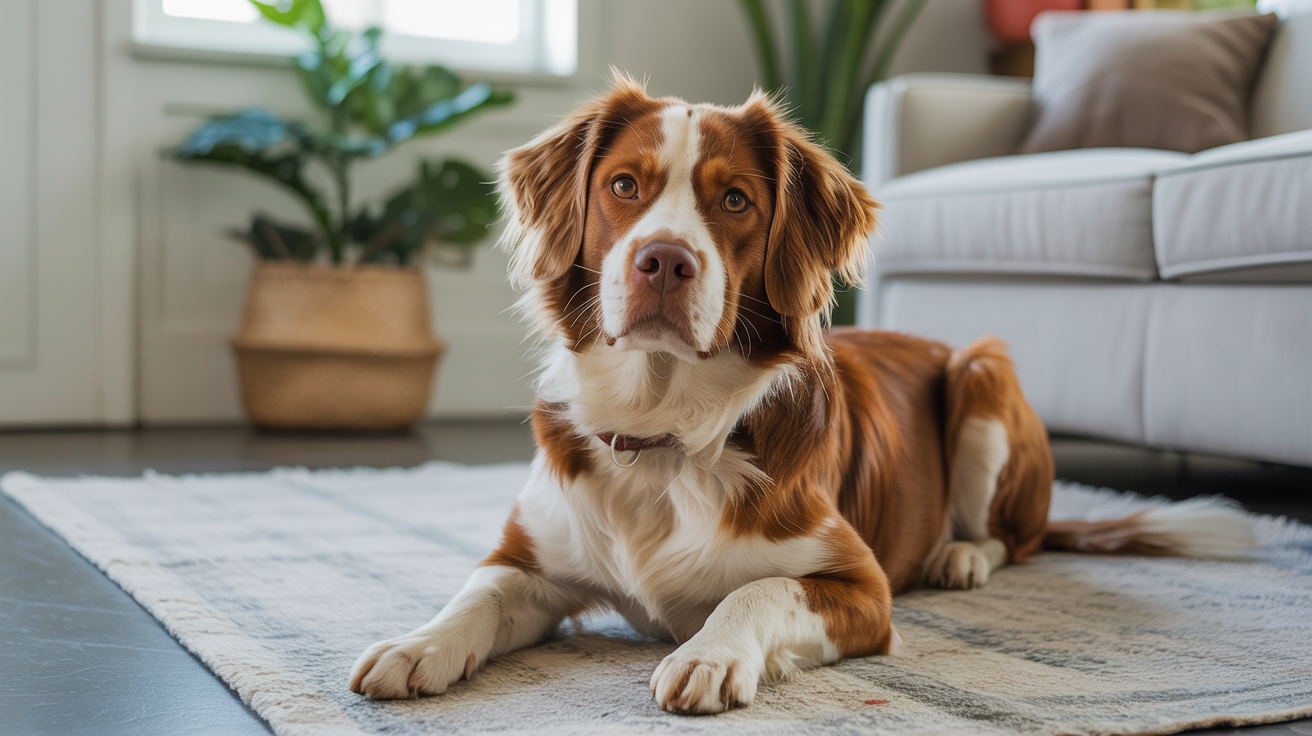
Keeping a dog at a healthy weight is one of the most practical things you can do for their long-term wellbeing. Excess weight puts strain on joints, affects heart and lung function, and shortens a dog's life. The good news is that once you know what to look for and what to adjust, managing a dog's weight is straightforward daily practice rather than a major intervention.
This guide covers how to assess where your dog sits right now, why dogs gain weight in the first place, how to set sensible portions, and how to match exercise to what your particular dog actually needs.
How to Assess Your Dog's Body Condition Score
A scale or a number on a chart will not tell you much without context, because a healthy weight varies enormously between a 10 kg whippet and a 60 kg Saint Bernard. What vets and nutritionists use instead is a body condition score, or BCS.
The most common scale runs from 1 to 9, where 1 is severely underweight, 9 is obese, and 4 to 5 is ideal. You assess a dog by feel and by eye:
Ribs: Run your fingers along the side of your dog's ribcage with light pressure. You should be able to feel individual ribs without pressing hard, but they should not jut out visibly when the dog is standing still. If you cannot feel the ribs at all through the fat layer, the dog is overweight. If you can count them easily by sight, the dog is too lean.
Waist: Looking down from above, a dog at a healthy weight has a visible tuck inward behind the rib cage before the hips flare out again. No tuck, or a barrel-shaped silhouette, suggests excess weight.
Belly tuck: From the side, the abdomen should rise upward from the chest toward the hind legs. A belly that hangs level or droops indicates extra body fat.
Getting familiar with this check means you can catch weight changes early, before they become a problem. A monthly hands-on check takes about a minute.
If your dog has a thick, dense coat, looking from the outside is less reliable. Feel first, then look.
Why Dogs Gain Weight
Most dogs gain weight for the same few reasons:
Portion drift. The feeding guide on a bag of kibble is a starting point, not a prescription. Many guides are generous. Over time, scoops get a little fuller, someone adds a little extra at dinner, and the calories add up without anyone noticing.
Treats and table scraps. A small dog can get a meaningful percentage of its daily caloric need from a handful of small treats spread across the day. If treats are not accounted for as part of total intake, weight gain follows.
Reduced activity. Dogs often slow down as they age, or their owners' routines change. If food intake stays the same while activity drops, the energy balance tips.
Medical reasons. Hypothyroidism and Cushing's disease can both cause weight gain. If your dog is gaining weight despite controlled portions and regular exercise, a vet check is the right next step. These conditions are manageable once diagnosed.
Neutering. Neutered dogs have a lower metabolic rate on average. This does not mean neutered dogs are doomed to be overweight, but it does mean they often need a modest reduction in daily calories compared to intact dogs.
Getting Portions Right
Once you know your dog's current BCS and target weight, you can set portions accordingly.
Start with the feeding guide on your dog's current food as a baseline. If your dog is a 5 on the BCS scale, the guide is a reasonable starting point. If they are a 6 or 7, you need to feed to their target weight rather than their current weight.
Weigh food with a kitchen scale rather than using a cup. Volume measures are inconsistent because kibble pieces vary in density and size. A digital kitchen scale takes the guesswork out.
After adjusting portions, weigh your dog every two to three weeks. Small dogs can be weighed by stepping on a bathroom scale holding the dog, then stepping on again without the dog and subtracting. Larger dogs can be weighed at the vet or at a pet supply store with a floor scale. A safe rate of weight loss for an overweight dog is roughly 1 to 2 percent of body weight per week.
Treats should make up no more than 10 percent of daily calories. For a small dog, that is not very many. Low-calorie treat options include small pieces of plain cooked chicken, carrot slices, or green bean pieces. When training, use treats the size of a pea or smaller.
A dog on a weight-loss plan also benefits from scheduled meals rather than free feeding, because it gives you a clear view of exactly what went in.
Matching Exercise to Your Dog's Breed and Age
Exercise is the other side of the energy equation, and how much a dog needs varies considerably.
High-energy working breeds like border collies, huskies, and vizslas genuinely need one to two hours of vigorous activity per day. A short daily walk will not keep them at a healthy weight, and it will not meet their mental needs either. These dogs do well with off-leash running, fetch, swimming, or dog sports like agility.
Medium-energy breeds, which covers most retrievers, spaniels, and mixed breeds, generally do well with 45 to 90 minutes of walking and active play per day. The exercise does not all need to happen at once.
Low-energy breeds, including many brachycephalic dogs (bulldogs, pugs, French bulldogs), giant breeds, and older dogs, often need shorter, gentler activity. For flat-faced dogs in particular, heat and hard exertion are genuine risks. Shorter, cooler walks are kinder than one long push. For joint-friendly options, swimming and slow-paced walking on soft surfaces work well for older dogs.
Puppies are a special case. While they need play and movement for development, extended running or jumping on hard surfaces stresses growth plates before they close, usually somewhere between 12 and 18 months depending on breed size. Short, frequent play sessions are better than long intense workouts for young dogs.
As your dog ages, watch for signs that they are tiring earlier or showing reluctance to exercise. This can signal pain or joint changes rather than laziness. A vet check before assuming a dog is just getting older is worth the trip.
Staying current on your dog's broader health also supports their ability to stay active. Preventive care like the protections covered in flea and tick prevention that actually works keeps dogs comfortable enough to exercise. Core immunity through the core vaccines every dog needs protects them from illnesses that could sideline activity for weeks. And at-home dog dental care and why it matters connects to weight more than most owners expect, since a dog in mouth pain eats differently and moves less.
Practical Habits That Make a Difference
A few consistent habits prevent most weight problems:
- Weigh food at every meal rather than eyeballing portions.
- Track treat calories on days when training is heavy.
- Do a body condition check once a month rather than waiting for a vet visit to flag a problem.
- If a dog gains weight after a change in routine, adjust portions before the gain becomes significant.
- Talk to your vet if the dog is gaining despite measured intake and regular activity, since a metabolic cause is possible.
Weight management does not require deprivation. A dog at a healthy weight still eats real meals, still gets treats as part of training and bonding, and still has good daily exercise. The goal is a sustainable balance rather than an extreme.
Frequently Asked Questions
How do I know if my dog is overweight rather than just big?
Size and weight are not the same thing. A large dog can be lean; a small dog can be overweight. Use the body condition score assessment above rather than relying on weight alone. If you can barely feel ribs through a thick fat layer, and there is no visible waist tuck from above, excess weight is likely regardless of what the scale says.
My dog always seems hungry. Does that mean I am not feeding enough?
Not necessarily. Many dogs are highly food-motivated and will behave as though they are hungry even when well fed. The body condition check is a more reliable guide than your dog's enthusiasm at mealtimes. That said, some foods with lower fiber content leave dogs feeling less satisfied. If your dog is at a healthy weight and genuinely seems unsettled, splitting the daily portion into more frequent smaller meals can help.
Is it safe to put a dog on a diet without vet guidance?
For a mildly overweight, otherwise healthy adult dog, reducing portions by 10 to 15 percent and monitoring monthly is reasonable to do at home. If the dog is significantly overweight, has any existing health conditions, or does not respond as expected after a few months, involve your vet. Very rapid weight loss can cause its own problems in dogs.
How do I keep one dog from eating the other's food when one is on a diet?
Feed dogs in separate rooms with doors closed, or use meal-specific timing where each dog's bowl is picked up after 15 to 20 minutes regardless of whether it is finished. Free feeding in a multi-dog household makes portion control nearly impossible.
Does switching to a lower-calorie food help with weight loss?
It can, though some low-calorie or "light" formulas simply use more filler to reduce energy density. Read the ingredient list and check the kcal per cup on the bag. In many cases, feeding less of a quality regular food achieves the same result without switching. If you do change foods, transition gradually over a week to ten days to avoid stomach upset.