Health & Wellness
Senior Dog Care: What Changes With Age
A practical guide to older dog health, from arthritis in dogs to senior dog checkups: what to watch for and how to adjust your care routine.
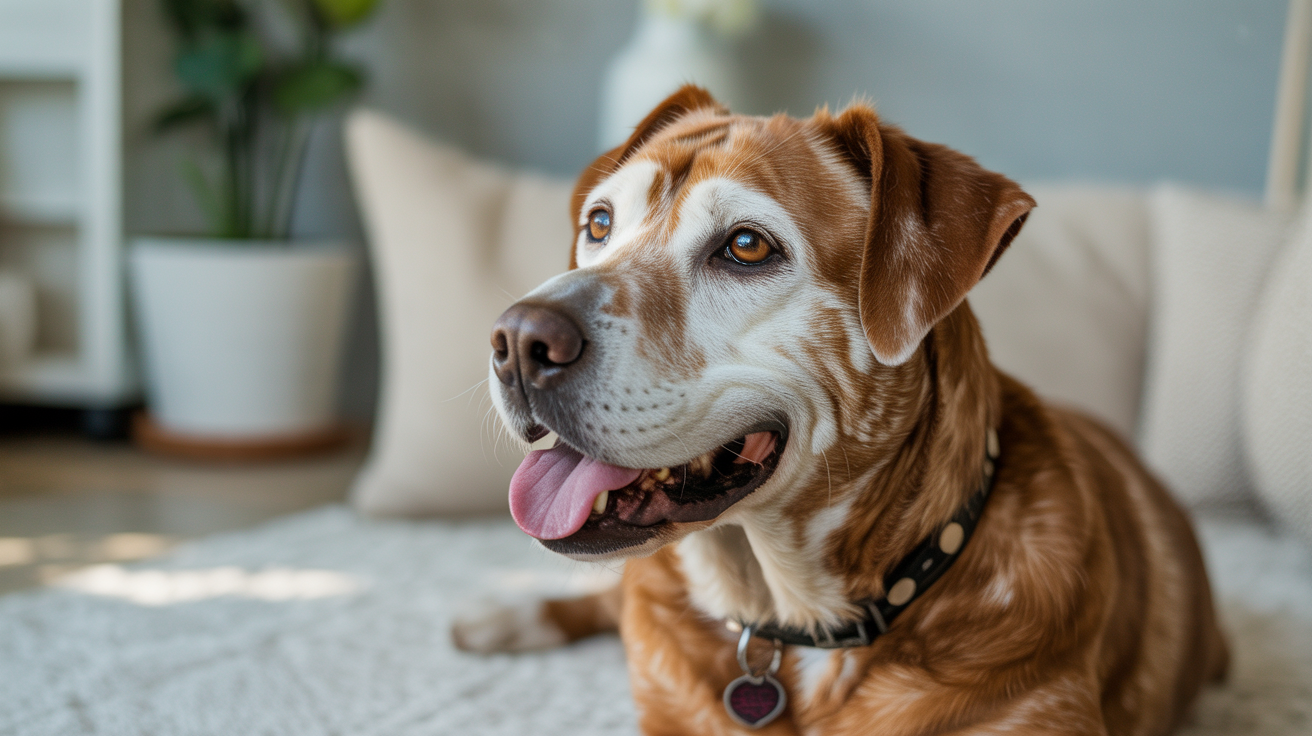
Most dogs are considered seniors somewhere between ages 7 and 10, depending on their size. Large breeds age faster than small ones, so a 7-year-old Great Dane is firmly in senior territory while a 7-year-old Chihuahua is still running strong. Wherever your dog falls on that spectrum, the shift into the senior years means one thing: your care routine needs to evolve with them.
This guide walks through the main changes you will notice, what they usually mean, and how to keep an older dog comfortable and healthy for as many years as possible.
How the Body Changes as Dogs Age
Aging in dogs is gradual, but the cumulative effect adds up. A few things tend to change across the board:
Metabolism slows. Senior dogs burn fewer calories at rest. A food that was perfect at age 4 may lead to weight gain by age 9 if the portion size does not change. Extra weight stresses joints, the heart, and the liver, so staying lean matters more as a dog gets older, not less.
The immune system becomes less efficient. Older dogs do not fight off infections, parasites, and cell mutations as effectively as young dogs. That is one reason keeping up with flea and tick prevention and staying current on core vaccines becomes more important in the senior years, not something to let slide.
Organ function declines gradually. The kidneys, liver, and heart all work a little harder as dogs age. Many seniors develop subclinical changes in kidney function before any obvious symptoms appear. This is exactly why bloodwork at senior checkups catches problems early, when they are far easier to manage.
The senses dull. Hearing loss and reduced vision are common in older dogs and not always obvious at first. A dog that suddenly seems stubborn about coming when called may simply not hear you as clearly. Cataracts that cause a milky appearance in the eyes are also common and worth a vet look, as some are treatable.
Sleep increases. Older dogs sleep more and recover more slowly after exercise. That is normal. What is not normal is a sudden, dramatic change in energy or personality, which always warrants a vet call.
Arthritis in Dogs: What Owners Often Miss
Arthritis is the most common age-related condition in dogs, and it is frequently underdiagnosed because dogs are quiet about pain. A dog with sore hips rarely whimpers. Instead, they slow down in ways owners chalk up to "just getting older."
Signs of arthritis in dogs to watch for:
- Reluctance to climb stairs, jump into the car, or get onto furniture they used to love
- Stiffness after lying down, especially on cold mornings
- Lagging behind on walks they used to breeze through
- Licking or chewing at a joint
- A shift in how they stand or sit (one leg pushed out to the side, for example)
- General grumpiness when touched in certain areas
If any of these sound familiar, bring it up at your next vet visit. A physical exam and sometimes X-rays can confirm what is going on. The good news is there are real options: joint supplements (glucosamine and fish oil show reasonable evidence), prescription anti-inflammatories, weight management, and environmental adjustments like orthopedic beds and ramps can all meaningfully improve a dog's daily comfort.
Do not start long-term pain medication without a vet. Over-the-counter human NSAIDs like ibuprofen and acetaminophen are toxic to dogs.
Senior Dog Checkups: More Often Than You Think
Most adult dogs see the vet once a year. For senior dogs, twice a year is the standard recommendation, and it is worth following.
Here is why: a lot can change in six months for an older dog. Bloodwork that was normal in January may show early kidney changes by July, and catching that shift early means you can modify diet, manage hydration, and potentially slow progression before the dog feels sick.
A typical senior wellness visit includes:
| What Gets Checked | Why It Matters |
|---|---|
| Full physical exam | Catches lumps, dental disease, heart murmurs early |
| Complete blood count | Flags anemia, infection, immune issues |
| Chemistry panel | Checks kidney, liver, and blood sugar |
| Urinalysis | Kidney function indicator often missed by bloodwork alone |
| Blood pressure | Hypertension is common and treatable |
| Thyroid (usually in dogs 7+) | Hypothyroidism is common, easily managed with medication |
Dental health often gets overlooked but is genuinely connected to whole-body health. Bacteria from infected gums can travel to the heart and kidneys. If your dog has not had a dental cleaning recently, it is worth factoring into your senior care plan. At-home dental care between cleanings matters here too.
Come to senior checkups with a written list of everything you have noticed, even things that seem minor. Small changes are easier to dismiss in conversation than they are on paper in front of you.
Adjusting Exercise and Daily Life
A senior dog still needs regular exercise. Movement keeps joints mobile, maintains muscle mass that supports those joints, and provides mental stimulation that matters for cognitive health. The key is adjusting the type and duration rather than cutting activity out.
Shorter, more frequent walks are usually better than one long one. Two 20-minute walks are easier on aging joints than one 40-minute march.
Avoid high-impact activities. Fetch with hard stops, jumping, and rough play on hard surfaces put unnecessary stress on joints. Leash walks, gentle hikes on soft trails, and swimming (if your dog tolerates it) are low-impact and easy on the body.
Warm up and cool down. Start walks slowly and let your dog move at their own pace for the first few minutes before picking up speed. This is especially helpful on cold mornings when joints are stiff.
Rethink the home setup. Hardwood floors can be slippery and stressful for a dog with joint pain. Yoga mats or rubber-backed runners in high-traffic areas give better footing. Orthopedic foam beds reduce pressure on bony joints overnight. A ramp to the car or couch protects shoulders and elbows from repeated jumping.
Watch the temperature. Older dogs regulate body temperature less efficiently. Keep them out of extreme heat, bring them inside during cold snaps, and check paw pads for ice and salt in winter.
Mental Health and Cognitive Changes
Canine cognitive dysfunction (CCD) is the dog equivalent of dementia and affects a meaningful number of dogs over age 11. It does not happen to every dog, but it is worth knowing what to look for.
Signs of CCD include:
- Getting stuck in corners or staring blankly at walls
- Forgetting familiar commands or house training
- Sleep-wake cycle reversal (awake and restless at night, sleeping more during the day)
- Reduced interest in family interaction
- Increased anxiety or confusion in familiar places
If you notice these patterns, bring them up with your vet. There are medications that can help, and environmental enrichment (puzzle feeders, short training sessions, social interaction) can slow progression for some dogs.
Even without CCD, older dogs benefit from staying mentally engaged. Short, low-effort training sessions using familiar commands reinforce neural pathways and give a dog a sense of purpose and accomplishment. Five minutes of "sit, down, stay" is easy for an owner and genuinely useful for an aging brain.
Frequently Asked Questions
At what age is a dog considered a senior? It depends on size. Small breeds (under 20 lbs) generally reach senior status around age 10 to 12. Medium breeds hit it closer to 8 to 10. Large breeds (over 50 lbs) are often considered seniors at 7, and giant breeds can be there by 5 or 6. Your vet can give you a clearer picture based on your dog's breed and overall health.
How do I know if my dog is in pain from arthritis? Most dogs with arthritis do not vocalize pain. Watch for behavioral changes: slowing down on walks, hesitating before jumping, stiffness after rest, reluctance to be touched in certain spots, or changes in posture. If something seems off, a vet exam is the most reliable way to assess it.
Should I change my senior dog's food? Often, yes. Many senior dogs benefit from a food with slightly lower caloric density to prevent weight gain, and some benefit from added joint support or adjusted protein and phosphorus levels (particularly important if kidney function is declining). Talk to your vet before switching, especially if your dog has any diagnosed conditions.
How often should a senior dog see the vet? Twice a year is the current recommendation for dogs considered seniors. Annual visits are enough for healthy adults, but six months is a more useful interval for catching early changes in an aging dog.
Is it too late to start training with an older dog? Not at all. Older dogs can absolutely learn new behaviors and benefit from the mental engagement that training provides. Keep sessions short (5 to 10 minutes), use high-value rewards, and be patient with physical limitations. A senior dog that moves slowly through a down-stay is still getting real mental and relational benefit from the work.