Puppies
A Puppy Vaccination and Vet Visit Schedule
A practical guide to puppy shots, first vet visit timing, and when your pup can safely go outside and meet the world.
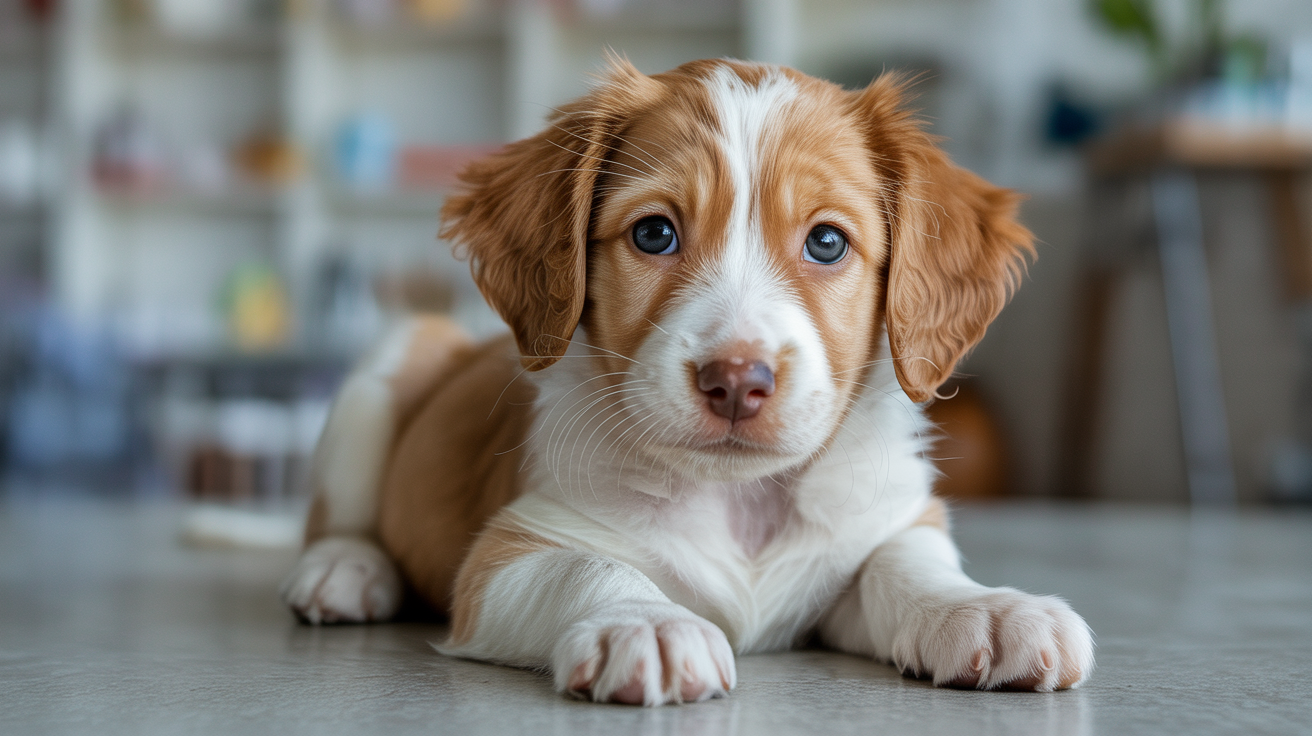
Your puppy needs a series of shots spaced several weeks apart, starting around 6 to 8 weeks of age and wrapping up somewhere between 16 and 20 weeks. Until that final round is complete, their immunity has real gaps. Your own vet will lay out the exact dates based on your pup's age and history, but this guide walks you through what to expect at each stage so you can show up prepared.
What Vaccines Puppies Actually Need
Vets split puppy vaccines into two buckets: core and non-core.
Core vaccines go to every puppy, regardless of lifestyle:
- Distemper, adenovirus, parvovirus, parainfluenza (DA2PP or DHPP) -- often called the "combo" or "5-in-1." This is given as a series of shots starting at 6 to 8 weeks, repeated every 3 to 4 weeks until the pup is 16 weeks old (sometimes 20 weeks for certain breeds).
- Rabies -- typically given at 12 to 16 weeks, required by law in most places. A booster follows at one year.
Non-core vaccines depend on where you live and how your dog will spend their time:
- Bordetella (kennel cough) -- recommended if your pup will attend daycare, boarding, training classes, or dog parks. Some facilities require it.
- Leptospirosis -- useful in areas with wildlife exposure or standing water.
- Lyme disease -- relevant in tick-heavy regions.
- Canine influenza -- for dogs with heavy social contact.
Your vet will help you figure out which non-core vaccines make sense. There is no need to guess.
A General Puppy Vaccine Timeline
The exact schedule your vet follows may differ slightly, but here is the shape most puppies follow:
| Age | What Typically Happens |
|---|---|
| 6 to 8 weeks | First DA2PP combo; may start Bordetella |
| 10 to 12 weeks | Second DA2PP combo; Leptospirosis first dose if recommended |
| 14 to 16 weeks | Third DA2PP combo; Rabies vaccine |
| 16 to 20 weeks | Fourth DA2PP combo if vet recommends (common for high-risk breeds) |
| 12 to 16 months | Boosters for DA2PP, Rabies, and any non-core vaccines |
After that first year, most adult dogs shift to a 1-year or 3-year schedule depending on the vaccine and your local regulations.
One thing worth knowing: puppies who come from shelters or unknown backgrounds may have received some vaccines already, or may have missed them entirely. Bring any paperwork you got from the breeder or shelter to that first appointment.
What to Expect at the First Vet Visit
The first vet visit is worth booking early, ideally within a few days of bringing your puppy home. Even if your pup seems healthy, an early exam gives your vet a baseline and catches anything the previous owner or shelter may have missed.
Here is what usually happens:
Physical exam. The vet checks weight, heart, lungs, eyes, ears, mouth, skin, and overall body condition. They will palpate the abdomen and check for umbilical hernias or other structural issues.
Parasite screening. A fecal test checks for intestinal parasites like roundworms, hookworms, and giardia. Many puppies carry worms from their mother, even if they look fine.
First vaccines or confirmation of prior vaccines. If your puppy is 6 to 8 weeks and has not yet had their first combo shot, it usually happens here.
Deworming. Most vets deworm puppies at the first visit as a precaution, regardless of fecal results.
Flea, tick, and heartworm prevention. Your vet will recommend a preventive that fits your region and your puppy's age.
Questions. Bring yours. First-time puppy owners often have a lot on their mind. Good vets expect this and carve out time for it.
Before you go, write down your puppy's birth date, any vaccines already given, the name of the food you are currently feeding, and any behaviors or symptoms that have caught your attention.
If you are still getting settled with your new dog at home, the guide on your first week with a new puppy covers a lot of the early logistics alongside the vet prep.
When Can a Puppy Go Outside?
This is one of the most common questions new owners ask, and the honest answer is: it depends on what "outside" means.
Your own yard is generally fine from day one, as long as unknown dogs have not been there recently. Letting your puppy sniff around your fenced backyard, relieve themselves on grass, and get used to being outside is low risk and actually helpful for house training. See house training a puppy step by step for how to use those outdoor moments well.
Public spaces, dog parks, pet stores, and sidewalks where unknown dogs have been carry real risk until the vaccine series is complete. Parvovirus in particular is tough to kill and can linger in soil for months. Until your puppy has finished their series, keep them off high-traffic dog areas.
Socialization is still possible before vaccines are complete. This matters more than most owners realize. The window where puppies absorb new experiences most readily closes around 12 to 16 weeks. Waiting until vaccines are fully complete can mean missing that window. The solution is smart exposure: carry your puppy in areas where unknown dogs roam, visit homes with healthy vaccinated dogs, attend puppy socialization classes that vet the participants. The guide on the puppy socialization window explained goes deeper on how to do this safely.
The two-week estimate you may hear after the final vaccine is a reasonable rule of thumb, not a hard law. Ask your own vet for guidance based on your specific pup and your local disease risk.
Keeping Track and Staying on Schedule
Missing a booster by a week is not usually a crisis, but large gaps in the series can require restarting. Here is how to keep things organized:
- Ask for a written vaccine record at every visit. Keep it with your dog's other paperwork. You will need it for boarding, training, dog parks, and travel.
- Set reminders. Most clinics will send you a reminder, but do not count on it. Put the next appointment in your phone before you leave the office.
- Confirm the timing before scheduling. If you booked the next visit at 4 weeks but the vet said 3 to 4 weeks, call ahead if you need to adjust.
- Tell your vet about any reactions. Mild soreness or tiredness for a day after shots is normal. Facial swelling, vomiting, difficulty breathing, or collapse are not -- contact your vet or an emergency clinic immediately.
If your puppy is overdue on a vaccine because of illness, travel, or scheduling, your vet can advise on whether to continue the series or restart. Do not try to figure this out on your own.
Frequently Asked Questions
What if my puppy had some shots before I got them?
Bring the paperwork and let your vet decide what is still needed. If records are missing or uncertain, the vet may recommend restarting the series. It is not ideal, but it is safer than assuming coverage.
Can I skip non-core vaccines to save money?
Some non-core vaccines are optional for low-risk dogs. Others, like Bordetella if your dog will attend boarding or daycare, are practically required. Talk with your vet about your puppy's actual lifestyle. Cutting corners on core vaccines is not a good idea.
My puppy seems fine. Do they really need to see a vet this often?
Puppies who look perfectly healthy can carry parasites, have heart murmurs, or have missed a vaccine they need. The early visits are not just about shots -- they are about catching things early while they are easier to address. The cost of skipping is usually higher than the cost of going.
What happens if my puppy gets sick between scheduled visits?
Go sooner. The schedule above is for preventive care on a healthy puppy. Vomiting, diarrhea, lethargy, loss of appetite, or anything that feels off warrants a call to your vet right away. Puppies can decline quickly; waiting to see if things improve is not always a safe option.
Does my puppy need annual vet visits after the puppy series is done?
Yes. Annual wellness exams catch changes before they become problems, keep vaccines current, and give your vet a chance to screen for parasites, dental disease, and other issues that build gradually. Most adult dogs see the vet once a year; senior dogs often benefit from twice-yearly checkups.
Houndwise is an independent dog-care resource. Nothing here replaces the advice of your own veterinarian. If you have questions about your specific puppy's health or vaccine schedule, your vet is the right person to ask.