Puppies
The Puppy Socialization Window, Explained
What the puppy socialization window is, why the first months matter so much, a safe checklist, and how to handle fear periods without overwhelm.
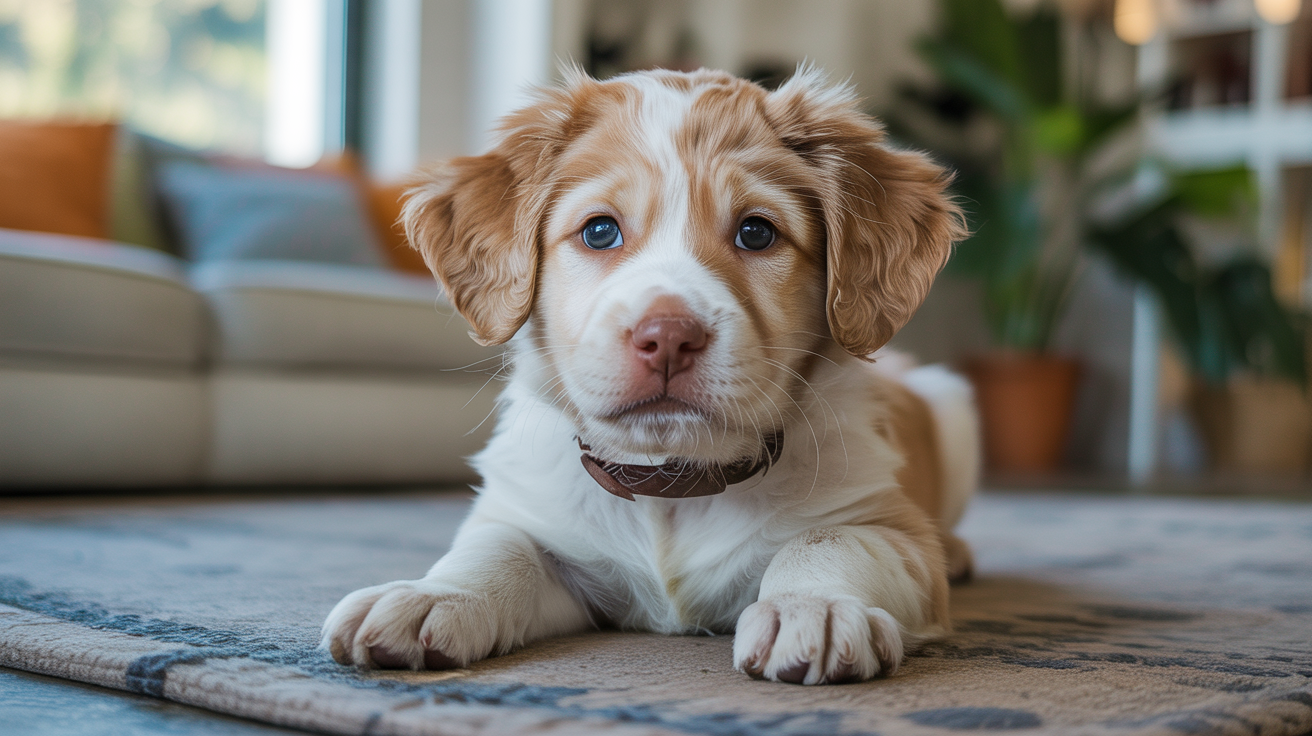
Puppy socialization isn't just about meeting other dogs at the park. It's the process of exposing a young dog to as many people, places, sounds, textures, and situations as possible during the window when their brain is most ready to accept new experiences as normal. That window closes sooner than most people expect, which is why getting started in the first couple of months matters so much.
When the socialization window opens and closes
The sensitive period for puppy socialization runs roughly from 3 to 14 weeks of age. During this time, a puppy's brain is wired to treat unfamiliar things as non-threatening unless there's a genuinely bad experience attached. After 14 weeks, the window doesn't slam shut, new learning still happens, but the default shifts. A puppy that hasn't seen umbrellas, children on bicycles, or men with beards by the time they're four months old is more likely to react fearfully to those things as an adult.
Most puppies come home around 8 weeks, which means you have roughly 6 weeks of prime time. That sounds tight because it is.
A quick note on vaccination timing: many vets used to advise keeping puppies indoors until fully vaccinated (usually around 16 weeks). Current guidance from organizations like the American Veterinary Society of Animal Behavior recognizes that the risks of under-socialization are just as real as the risks of disease. Talk to your vet, but puppy classes that require proof of first vaccines, visiting vaccinated dogs in clean homes, and carrying your puppy to observe busy environments are generally considered acceptable compromises.
What puppy socialization actually covers
People often picture socialization as "letting the puppy meet dogs," but it's much broader than that. Exposing a puppy to new things means deliberately introducing them to the full range of experiences they'll encounter in their life with you.
Break it into categories:
People: Men, women, children of different ages, people with hats, glasses, beards, uniforms, or walking aids. Your puppy needs to understand that humans come in many shapes and presentations.
Other animals: Friendly, vaccinated dogs of different sizes and energy levels. Cats if you have them. The goal is calm, positive exposure, not chaotic dog park pile-ons.
Environments: Sidewalks, parking lots, stairs, elevators, tile floors, grates, gravel, grass, and carpet. Different surfaces under the paws register as genuinely new experiences.
Sounds: Traffic, thunder recordings, vacuums, dishwashers, skateboards, sirens, babies crying, crowds. Playing these at low volume and pairing them with treats works well before the puppy encounters the real thing.
Handling: Ears, paws, mouth, tail. This matters for grooming and vet visits, a dog that was handled gently as a puppy is dramatically easier to examine than one that wasn't.
A practical socialization checklist
Use this as a running log, not a race. Check things off over your first 6-8 weeks together. One or two new exposures per day is plenty; the puppy needs rest and processing time too.
| Category | Experiences to introduce |
|---|---|
| People | Children (toddlers through teens), elderly adults, men with facial hair, people in hats/hoods, people using canes or wheelchairs |
| Animals | Calm adult dogs, cats, small pets (if applicable) |
| Environments | Vet waiting room, pet store, parking lots, staircases, slippery floors |
| Surfaces | Grass, gravel, tile, grates, sand, wet pavement |
| Sounds | Traffic, thunder audio, fireworks audio, vacuum cleaner, garbage trucks |
| Handling | Paw touching, ear inspection, mouth handling, collar/harness on and off |
| Objects | Umbrellas opening, bicycles, skateboards, strollers |
| Situations | Car rides, being left alone briefly, being held by strangers |
The key to each of these is pairing the new experience with something good, a small treat, a calm voice, a favorite toy, and ending before the puppy gets overwhelmed. If the puppy freezes, yawns excessively, or tries to retreat, that's enough for today.
For more on building a routine around those first weeks, the first week with a new puppy covers the schedule and environment setup in detail.
Understanding puppy fear periods
Socialization doesn't happen in a straight line. Most puppies go through at least two fear periods: one around 8-10 weeks (conveniently right when they arrive home) and another around 6-14 months. During a fear period, something that the puppy seemed fine with last week can suddenly trigger a big reaction. A dog that calmly watched traffic last Tuesday might spook at a passing bus today.
Fear periods are temporary. The wrong response is to push through by forcing the puppy to approach whatever scared them. That can imprint the fear rather than resolve it. The right response is to acknowledge that the puppy is worried, create distance from the trigger, and wait for them to settle. If your puppy is frightened of something specific, work on it gradually over several sessions, always staying under threshold, always rewarding calm behavior.
What to avoid during a fear period:
- Flooding (repeated forced exposure to the scary thing)
- Reassurance that goes overboard, staying calm yourself is more useful than anxious baby-talk
- Punishment for any fear-based behavior; a worried puppy cannot "correct" their way to confidence
If a fear period seems unusually prolonged or the reactions are severe, a veterinary behaviorist or a certified applied animal behaviorist (CAAB) is worth consulting. Not all anxiety is purely socialization-based, genetics and early experiences before you got the puppy both play a part.
How to socialize safely before full vaccination
This is the real practical problem for most new owners. Your puppy isn't fully vaccinated, the parvo risk in your area may be real, and yet every week that passes without socialization is a week you're not getting back.
Some approaches that manage both concerns:
- Puppy classes with a vaccine requirement. Look for a class that requires at least the first round of vaccines and is held on clean indoor surfaces. These are one of the best investments you can make in the first few weeks. The American Veterinary Society of Animal Behavior specifically recommends starting classes within the first 7-8 days of coming home, before the series is complete.
- Controlled home visits. Having vaccinated, healthy adult dogs owned by friends or family come to your yard is low risk and high value.
- Carry and observe. Carrying a puppy through a busy area (farmers market, a parking lot, a school pickup) lets them see, hear, and smell the world without their paws touching potentially contaminated ground.
- Car rides. Even a drive-through or a sit in a parked lot exposes a puppy to motion, sounds, and new smells.
Once your vet gives the all-clear for ground contact, keep the momentum going. Many owners relax socialization efforts at 16 weeks, right when the puppy is heading into a second sensitive phase.
Pairing good socialization with the basics like house training your puppy and managing biting and nipping gives you a puppy that's both well-mannered at home and comfortable in the world.
Frequently asked questions
My puppy is already 5 months old. Have I missed the window entirely?
No. The window is closed in the sense that you've lost the easiest learning phase, but dogs continue to adapt and learn throughout their lives. It just takes more repetition, more patience, and sometimes professional help. If your 5-month-old is already showing fear reactions, start working on them with a positive-reinforcement trainer sooner rather than later, waiting doesn't help.
How many new experiences per day is too many?
There's no exact number, but quality matters more than quantity. One good, positive encounter with a stranger is worth more than ten rushed ones that left the puppy tense. Watch your puppy's body language. Soft body, relaxed tail, taking treats readily, that's a puppy who's coping fine. A puppy that's stopped taking treats, is yawning repeatedly, or is scanning the environment anxiously has had enough.
Can I socialize a puppy that had a bad early experience?
Yes, with care. A puppy that was poorly socialized or had frightening early experiences (common in mill-bred or neglected dogs) can still improve, but the baseline fear response may never fully disappear. A qualified force-free trainer can help you build a systematic desensitization plan. Don't expect the timeline to match what you'd see with a well-socialized puppy, measure progress in months, not weeks.
Does socialization include dog parks?
Dog parks are generally not recommended for puppies, for a few reasons. Before full vaccination, disease risk is real. After vaccination, the chaotic environment of an off-leash park often does more harm than good, one overwhelming encounter with a rude dog can set back confidence significantly. Controlled playdates with known, friendly dogs are a better option until the puppy has solid confidence and basic recall.
My puppy was fine with children last month and now barks at them. What happened?
This is a classic fear period presentation. If the puppy's previous experience with children was positive and nothing bad happened recently, the reaction is almost certainly developmental rather than a sign of a deeper problem. Give the puppy space, don't force an interaction, and go back to basics: observe children from a comfortable distance, pair the sight of children with treats, and gradually close the gap over several sessions. Most puppies come through these phases without lasting issues.