Puppies
Helping a Puppy Sleep Through the Night
A calm, practical guide to puppy night routine, stopping puppy crying at night, and building a bedtime habit that sticks.
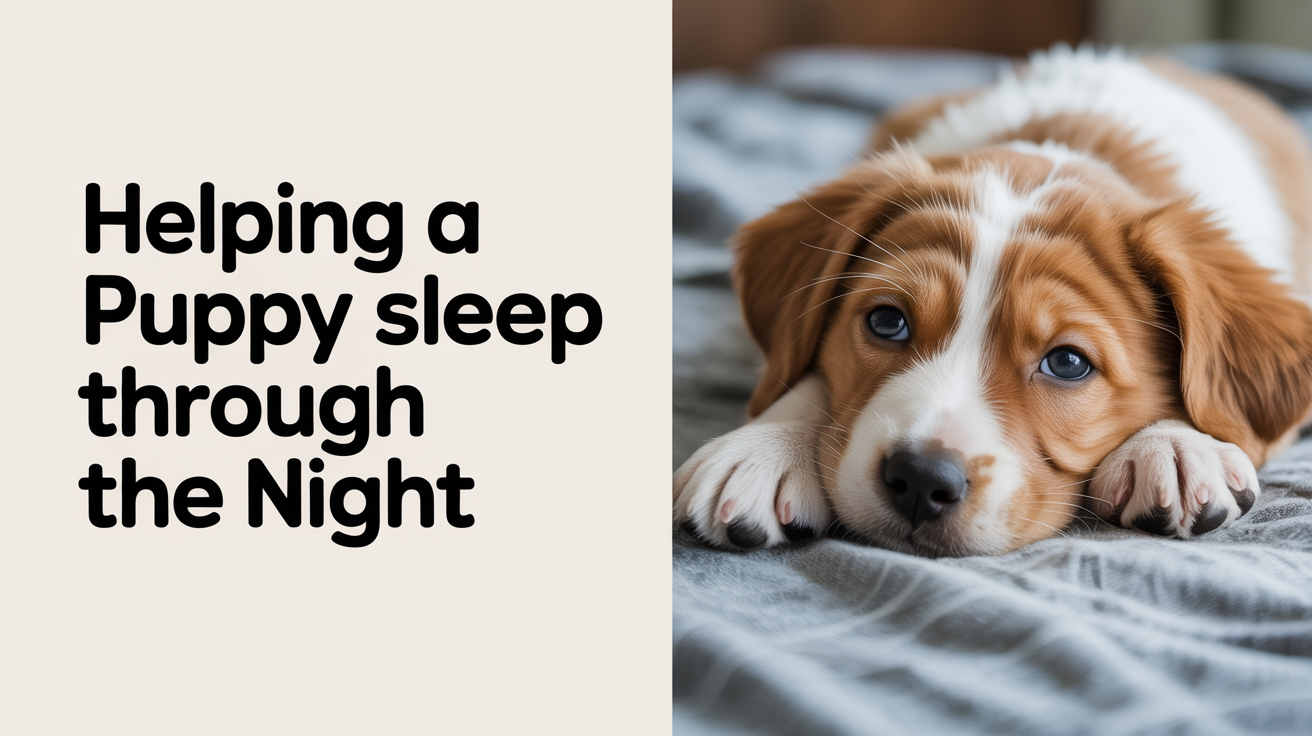
Most puppies are not sleeping through the night on day one. That is completely normal. The good news is that with a consistent puppy night routine and a few simple adjustments to the sleeping setup, most pups settle into longer stretches within two to four weeks. Here is what actually helps.
Why Puppies Wake Up at Night
Before fixing the problem, it helps to understand what is driving it. Puppies are not being difficult; they are responding to real physical and emotional needs.
Bladder size. Young puppies have small bladders and limited control. An eight-week-old puppy typically needs a bathroom break every three to four hours, including overnight. That is biology, not bad behavior.
Separation. Before coming home, your puppy slept in a warm pile of siblings and a mother. Suddenly being alone in a quiet room is genuinely disorienting. The crying you hear is a stress response, not manipulation.
Hunger. Puppies have fast metabolisms. If the last meal is served too early in the evening, hunger can pull them awake.
Overtiredness. Counterintuitively, a puppy who did not get enough rest during the day may have a harder time settling at night. Puppies need a lot of sleep, often 16 to 18 hours a day in short bursts.
Understanding the cause helps you respond correctly rather than just enduring it.
Setting Up the Sleep Space
Where and how your puppy sleeps matters more than most people expect.
Choose containment. A crate or a small pen keeps your puppy safe, prevents midnight wandering, and supports house training. If you are working on house training at the same time, read house training a puppy step by step alongside this guide, because the two routines overlap heavily.
Location. For the first few weeks, keep the sleeping space in or very near your bedroom. Hearing you breathe, smelling you nearby, and knowing you are present makes a real difference in how quickly a puppy settles. Many owners use a crate pulled close to the bed or placed on a low nightstand. You can gradually move it toward the door once the puppy is sleeping reliably.
Make it cozy. Add a soft blanket, a low-power covered heating pad designed for pets (never a standard electric blanket, which can overheat), and an item that smells like you. Some breeders send a cloth that smells like the litter; that can help the first night.
Muffle the quiet. A white noise machine or a fan set on low can soften sudden household sounds that startle puppies awake.
A comfortable, correctly sized crate should feel like a den, not a punishment. The puppy should be able to stand, turn around, and lie flat. Avoid oversizing it, since too much space can lead to the puppy using one corner as a bathroom.
Building a Puppy Night Routine
Consistency is the single most reliable tool you have. Puppies orient to patterns quickly, and a repeatable bedtime sequence signals that sleep is coming.
A simple routine might look like this:
| Time Before Bed | Activity |
|---|---|
| 60 minutes | Last meal of the day |
| 30 minutes | Calm play or a short walk, nothing wild |
| 15 minutes | Final bathroom trip outside |
| 5 minutes | Settle in crate with a chew or a stuffed Kong |
| Lights out | Quiet, low light, consistent time |
The goal of the wind-down period is to bring the puppy's arousal level down before asking them to sleep. Rough play or high-energy games right before bed make settling harder.
The final bathroom trip deserves its own note: take the puppy to the same spot every time, use a quiet cue word like "go potty," reward the moment they finish, and head straight back inside. Keep it boring. This is not playtime.
Responding to Puppy Crying at Night
This is where most owners struggle, because there is no single answer that works for every puppy or every family. Here are two reasonable approaches.
Wait and see (with a time limit). Some puppies fuss briefly and then settle on their own. If your puppy is otherwise healthy, comfortable, and you know they do not need a bathroom break yet, waiting two to three minutes before responding gives them a chance to self-settle. If they settle, great. If the crying escalates or goes past five minutes, respond calmly.
Respond and reassure. Go to the puppy, keep the lights dim, keep your voice low and calm, do not pick them up unless you are taking them out for a bathroom trip, and avoid extended interaction. The goal is to communicate that you are present and nothing is wrong, not to turn the night visit into a social event.
What does not help: scolding, covering the crate, or waiting it out for 30 or 45 minutes of sustained distress. Prolonged distress does not teach a puppy to be quiet; it just teaches them that the world is not safe when they are alone.
If your puppy is crying consistently at the same time each night, that time window is almost certainly a bathroom need. Set an alarm and take them out proactively, before the crying starts.
One thing that helps many owners during your first week with a new puppy is keeping a simple log: what time the puppy woke, whether they went to the bathroom, and how long it took to resettle. Patterns usually emerge within a few days.
Extending Sleep Stretches Over Time
Puppies sleeping through the night is a gradual process, not a switch that flips. Here is a rough timeline:
8 to 10 weeks: Expect one to two bathroom breaks per night. Most puppies cannot physically hold it longer than four hours at this age.
10 to 12 weeks: Some puppies start making it five to six hours. Others still need one break. Both are normal.
3 to 4 months: Many puppies are down to one brief early-morning wake-up or are sleeping through entirely, especially if the routine has been consistent.
5 to 6 months: Most healthy, routined puppies sleep through an eight-hour night.
To stretch those intervals, try moving the last meal slightly later. If you currently feed at 5 p.m., try 6 p.m. and see if that shifts the early wake-up later. Small adjustments tend to work better than large ones.
Avoid giving water within an hour of bedtime once your puppy is past the newborn stage and you are actively trying to extend overnight stretches. This is a practical measure, not a health concern, but always make sure your puppy has had adequate water throughout the day.
Also pay attention to daytime napping. The puppy socialization window explained covers how much stimulation puppies need and can handle at this age. A puppy who is overstimulated or under-rested during the day tends to be harder to settle at night.
When to contact a vet: If your puppy is waking frequently and seems distressed, is crying in a way that sounds different from normal fussing, is not eating well, or shows any signs of pain or physical discomfort, contact your veterinarian. Nighttime restlessness can occasionally be a signal that something physical needs attention.
Frequently Asked Questions
How long does it take for a puppy to sleep through the night? Most puppies make real progress between weeks two and six of being home. A consistent routine accelerates this considerably. By four months, many puppies can hold it through an eight-hour night, though some take a little longer. Younger puppies simply cannot, because bladder control develops over time.
Should I ignore my puppy crying at night? Not entirely. Prolonged distress does not help a puppy learn to settle, and some crying genuinely signals a bathroom need. A short wait of a few minutes to see whether the puppy self-settles is reasonable; extended crying that escalates warrants a calm, low-key check-in.
Is it okay to let my puppy sleep in my bed? That is a personal choice, and it works well for many owners and dogs. The practical consideration is consistency: if you start with co-sleeping and later want the puppy to sleep in their own space, the transition can be harder. Whatever you choose, set the pattern from the start and stick to it.
What if my puppy wakes up at the same time every night? That is almost always a bathroom need tied to their bladder capacity. Set an alarm for ten minutes before that time and take them out proactively. Once they are developmentally ready to hold it longer, you can push the alarm back in 15-minute increments over several days.
My puppy was sleeping fine, and now they are waking up again. What happened? Sleep regressions are real in puppies. Common triggers include growth spurts, new household stressors, changes to the schedule, illness, or teething discomfort. If it lasts more than a few days, review any recent changes and, if teething or discomfort seems to be a factor, mention it to your vet.