Puppies
Surviving Puppy Teething
Puppy teething is exhausting but temporary. Learn the teething timeline, the best toys to redirect chewing, and simple ways to soothe sore gums at home.
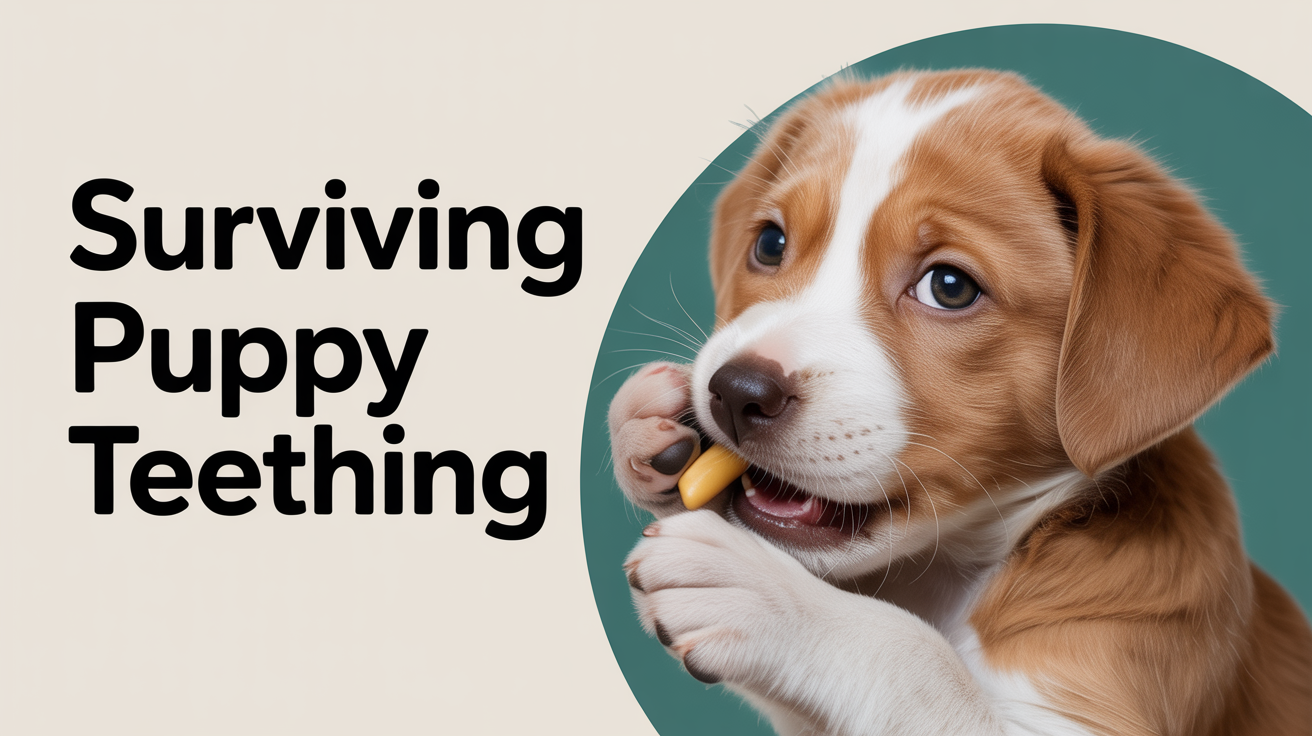
Puppy teething is one of those phases that catches a lot of new owners off guard. You bring home this small, sweet dog and within a few weeks everything in the house seems to be at mouth-level. Shoes, table legs, hands, power cords, the corner of the couch. It is not aggression and it is not defiance. It is a normal biological process, and with the right setup you can get through it without losing your mind or your furniture.
Here is what is actually happening, how long it lasts, and what you can do to make it easier for both of you.
The Puppy Teething Timeline
Teething does not happen all at once. It comes in two distinct stages, and knowing which one you are in helps you calibrate how much patience to extend.
Birth to 8 weeks: milk teeth come in. Puppies are born without teeth. Their 28 baby teeth come in gradually over the first two months of life. By the time most puppies leave their litter, around 8 weeks, their full set of needle-sharp milk teeth is already in place. This is not typically when chewing problems start, though.
3 to 4 months: baby teeth start falling out. Around three months old, a puppy's adult teeth start pushing through. The milk teeth begin loosening, gums become inflamed and sensitive, and the drive to chew increases sharply. This is the phase that most owners notice. You may find tiny teeth on the floor or in a toy. You may also notice your puppy chewing things it previously ignored.
4 to 6 months: adult teeth are all the way in. By five or six months, most puppies have their full set of 42 adult teeth. The intense chewing drive typically drops off noticeably once the eruption phase is complete. Some dogs keep a fondness for chewing well into adulthood, but the frantic, everything-in-sight behavior associated with teething usually settles by six months.
The most disruptive window is roughly 12 to 16 weeks. That timing overlaps with a lot of other challenges, including house training and the critical socialization period, which makes it feel like a lot at once. If you are also working through potty routines, take a look at our guide to house training a puppy step by step for a parallel framework you can run alongside teething management.
Why Puppies Chew So Much During This Phase
Chewing serves a few purposes during teething. It applies counter-pressure to the gums, which provides relief in the same way that humans press on a sore tooth. It also helps loosen wobbly milk teeth so adult teeth can come in cleanly.
There is also a sensory component. Puppies explore the world through their mouths more than adult dogs do. When gums are sore and sensitive, the input from chewing something textured or firm seems to provide relief and stimulation at the same time.
Mouthing and nipping at hands is common at this stage too. For most puppies it starts as exploration, not discomfort, but teething can make it more insistent. Redirecting to a toy consistently is more effective than scolding.
What to Give a Teething Puppy
The most practical thing you can do during the teething window is keep appropriate chew options available and accessible. When a puppy has something good to chew, the rate of chewing on inappropriate objects drops substantially.
Rubber chew toys. Firm but flexible rubber toys designed for puppies tend to work well. They have enough give to be comfortable on sore gums but enough resistance to satisfy the urge to gnaw. Look for ones that are sized for your puppy so they cannot be swallowed.
Frozen options. Cold reduces inflammation in humans and it works in dogs too. You can soak a clean rope toy in water and freeze it, fill a rubber toy with wet food or plain yogurt and freeze it, or offer small frozen carrots. The cold provides temporary numbing effect on inflamed gums and most puppies find it genuinely soothing. Do not leave a frozen rope toy unsupervised as the fibers can separate once thawed and be swallowed.
Bully sticks and natural chews. For puppies over about 16 weeks with adult teeth coming in more firmly, longer-lasting natural chews can work well. Always supervise and discard when they become small enough to swallow whole.
What to avoid. Skip rawhide for puppies. It softens into gummy pieces that are easy to break off and swallow. Avoid anything harder than your thumbnail. Antlers, hard nylon bones, and large beef bones can fracture puppy teeth, which are softer than adult teeth. Also skip ice cubes. They are harder than they seem and can chip teeth.
How to Soothe a Teething Puppy at Home
Beyond chew toys, a few other strategies help get through the worst weeks.
Rotate toys. A toy that is always available becomes furniture. Rotating which toys are out keeps novelty up. Pull three or four out of rotation, then swap them in a week later. The puppy reacts to them almost like new toys.
Chill the chews. Keep a rubber toy or two in the freezer at all times during the teething window. Swap them out every few hours. Having one cold and ready means you can redirect fast when you catch the puppy eyeing the couch leg.
Gentle gum massage. Some puppies tolerate you running a clean finger along their gumline. It can provide brief relief and also gets them used to having their mouth handled, which pays off later when you are brushing teeth or your vet is doing an oral exam.
Consistent supervision and confinement. The teething window is not the time for full run of the house. A puppy confined to a smaller, safe area when unsupervised cannot access the chair legs and shoe pile. This is not punishment. It is just managing the environment to prevent habits from forming.
This phase also overlaps with what researchers call the socialization window, when puppies are most receptive to new experiences. Read more in our guide on the puppy socialization window explained about how to make the most of this period alongside everything else you are managing.
Protecting Your Belongings Without Punishing Your Dog
Punishment after the fact does nothing useful during teething. A puppy does not connect a scolding with something it chewed three minutes ago. What works is prevention and redirection.
Manage access. Put shoes in a closet. Keep cables behind furniture or run them through cord covers. Use baby gates to limit access to rooms with a lot of tempting items. This is temporary, not permanent.
Use taste deterrent on fixed objects. Bitter sprays designed for dogs work on furniture legs, baseboards, and other fixed objects that cannot be moved. The taste is genuinely unpleasant and most puppies quickly learn to leave sprayed items alone. Reapply every few days.
Redirect, don't react. When you catch your puppy chewing something it should not, calmly take it away and immediately offer a legal chew. No drama, no lecture. The goal is to establish a habit of reaching for the toy, not a habit of doing it out of sight of you.
Give your puppy something to do. A tired puppy chews less than a bored one. Short training sessions, sniff games, and appropriate play all burn mental energy. At this age even five or ten minutes of your first week with a new puppy routines like basic name recognition and sit can take the edge off.
Frequently Asked Questions
How long does puppy teething last? The active teething phase, where gums are sore and chewing is most intense, typically runs from around 3 months to 6 months of age. Most puppies have all 42 adult teeth in by 6 months. The most difficult stretch for most owners is roughly weeks 12 through 20.
Should I be able to see the teeth falling out? Sometimes. You may find small teeth on the floor or in toys. It is also common to see nothing at all because puppies swallow their own teeth. If a baby tooth seems to be hanging on while the adult tooth comes in beside it, mention it to your vet at the next visit. Retained baby teeth can crowd the adult teeth and require extraction.
My puppy's gums are bleeding. Is that normal? A small amount of blood when a tooth falls out is normal. If you notice persistent bleeding or the gum tissue looks very swollen or painful, have your vet take a look.
When should I start brushing my puppy's teeth? Start during the teething window or even before. The goal at this stage is not really cleaning, it is getting the puppy used to the sensation. Use a soft finger brush or a puppy-size toothbrush with a tiny amount of dog-safe toothpaste, and keep sessions short and positive. Building the habit early makes adult tooth brushing far easier.
My puppy keeps nipping my hands. Is that teething or something else? Mouthing hands is normal at this age regardless of teething. Puppies use their mouths to play and explore, and teething can make the behavior more persistent because pressure on the gums feels good. Redirect to a toy consistently, yelp and withdraw attention when biting is hard, and avoid play that encourages mouthing hands. Most puppies grow out of it by 5 to 6 months with consistent handling.