Grooming & Coat Care
Dealing With Matted Fur the Gentle Way
Learn how to get mats out of dog fur safely at home, with the right tools, a step-by-step technique, and habits to prevent mats from returning.
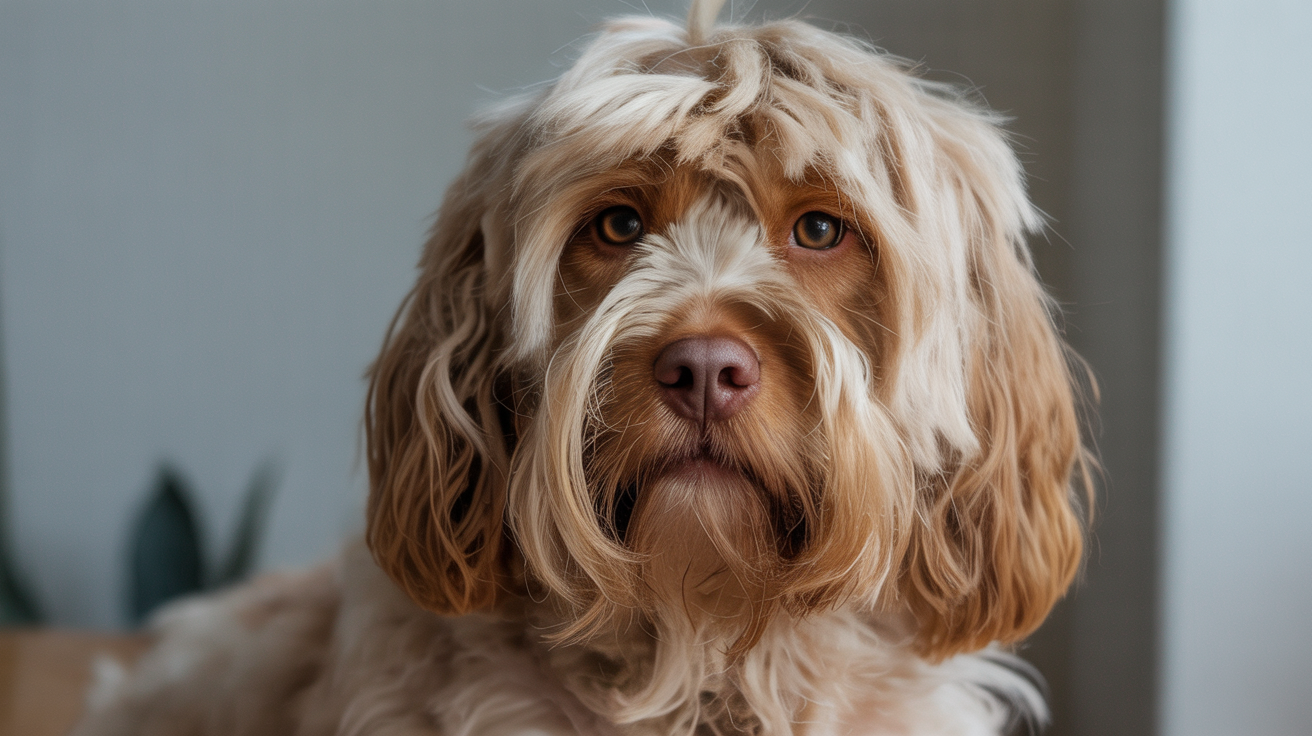
Mats happen. A skipped brushing session, a swim in the lake, or a rainy walk can leave even the most carefully maintained coat tangled into knots. Knowing how to get mats out of dog fur at home, without stressing your dog or yanking at their skin, is one of the most practical skills a dog owner can have.
The short version: go slow, work from the outside edges inward, and stop if your dog is in pain or the mat is pelt-level tight. The detailed version follows.
Why Mats Form in the First Place
Understanding what causes matted dog hair makes it easier to prevent the next round.
Mats start when loose or shed hair gets trapped around healthy strands and the two twist together. A few conditions speed that process up considerably:
- Moisture. Wet fur mats faster than dry fur. After swimming, rain, or a bath, fur that is not brushed out before it dries can set into tight tangles within hours. See bathing your dog at home for a routine that includes a brush-out step before the dog is fully dry.
- Friction zones. The spots where something rubs repeatedly are mat hotspots: behind the ears, under the collar, in the armpits (where the front legs meet the chest), and at the base of the tail.
- Shedding seasons. When a dog blows their undercoat, the loose fur has nowhere to go if it is not brushed out regularly. It mixes with the topcoat and knots up.
- Skipped grooming sessions. Even one or two missed brushings can be enough on a long or curly coat.
Tools That Actually Help
Dematting a dog goes much better with the right tools than with a standard brush and brute patience.
| Tool | What it does |
|---|---|
| Slicker brush | Good for surface-level tangles and finishing; not suited for tight mats |
| Wide-tooth comb | Tests whether a mat is loose enough to work through; a good first check |
| Dematting comb or mat splitter | Has hooked or serrated blades that divide a mat into smaller sections without cutting the topcoat |
| Detangling spray or coat conditioner | Lubricates the hair shaft so strands slide apart instead of clinging together |
| Blunt-tip scissors | A last resort for stubborn sections; never pointed scissors near skin |
A dematting comb is worth buying if your dog has any length of coat at all. It is the one tool that changes the process from frustrating to manageable.
How to Get Mats Out of Dog Fur Step by Step
Take your time with this. Rushing causes pulling, pulling causes pain, and pain makes every future grooming session harder.
1. Assess the mat before you start. Run your fingers through the mat gently. If you can get your fingers between the mat and the skin, it is workable at home. If the mat is flat against the skin with no gap, or if the skin underneath looks red or irritated, stop and call your groomer or vet.
2. Apply detangling spray generously. Spray directly onto the mat and let it soak in for a minute or two. This step alone can reduce the force needed significantly.
3. Stabilize the mat at the base with your fingers. Place two or three fingers at the base of the mat, right up against the skin. This creates a buffer so that any pulling force hits your fingers first, not your dog's skin. Keep this hand steady throughout.
4. Work from the outside edges inward. Start at the tips of the mat and work your way back toward the skin, not the other way around. Use a dematting comb or your fingers to tease apart small sections at a time. Trying to push a tool straight through from root to tip will hurt and will tighten the mat further.
5. Divide the mat before you comb. Once you have loosened the outer edges, use the dematting comb to split the mat into two or three narrower sections. Each section is now a smaller problem. Work through each one separately.
6. Finish with a wide-tooth comb, then a slicker brush. When the mat feels broken up, run a wide-tooth comb through the area from root to tip. If it passes through cleanly, follow with a slicker brush to smooth the coat. If the comb snags, keep working with the dematting tool before moving on.
7. Reward frequently. Give treats throughout, not just at the end. Short sessions with breaks are better than one long, tense session. If your dog is shutting down (tucking, freezing, trying to leave), stop and come back later.
When to Shave Instead of Brush
Some matted dog hair is genuinely beyond home dematting, and recognizing that early saves your dog a lot of discomfort.
Consider having a groomer shave the affected area when:
- The mat is "pelted," meaning it is a solid sheet of compressed fur with no gaps to work into.
- You cannot slide a finger between the mat and the skin.
- The skin under the mat looks irritated, flaky, red, or smells off.
- The mat is in a sensitive area like the face, ears, or groin and your dog will not hold still.
- You have been working at it for 15 to 20 minutes with no meaningful progress.
Shaving is not a failure. A well-shaved dog grows coat back. Skin wounds from over-brushing or scissoring too close can take weeks to heal and may warrant a vet visit. If you find anything under a mat that looks like a wound, discharge, or skin that weeps, have your vet look at it before any further grooming.
How to Prevent Mats Before They Start
Preventing mats is easier than removing them, and the habits are straightforward once they are built into a routine.
Brush on a schedule that matches the coat. Curly, wavy, and double-coated breeds need brushing several times a week. Short single-coated dogs can often go a week or more between sessions. If you are not sure what your dog's coat requires, choosing the right brush and frequency for your dog's coat type is a useful starting point.
Brush before bathing, not just after. Putting a tangled coat through water tightens knots into mats. Do a full brush-out before the dog gets wet, and again before the coat is completely dry.
Pay attention to friction zones every session. Even on a quick maintenance brush, run a comb through the collar zone, armpits, and behind the ears. These areas mat faster than the rest of the coat and are easy to miss.
Keep moisture in check. After swimming or rain, towel the coat dry and brush it out before the dog settles down. A damp dog that curls up to nap is a good recipe for a new mat.
Book regular groomer appointments for long coats. A professional trim every 6 to 12 weeks keeps the coat manageable and gives you a trained eye checking for trouble spots.
Nail care often gets bundled with grooming sessions too. If your dog braces or struggles during grooming, trimming nails without the stress covers the same slow, reward-based approach.
Frequently Asked Questions
How do I know if a mat is too bad to brush out at home?
A workable mat has some gap between it and the skin, and you can get at least a finger underneath. If the mat lies flat and tight against the skin with no gap, it is likely pelted and needs to be shaved out by a groomer. When in doubt, call your groomer for a quick assessment before spending an hour trying to work through something that really needs clippers.
Can I cut a mat out with scissors?
It is not recommended unless you have experience with grooming scissors and can clearly see where the skin is. The skin under a tight mat often tents upward into the mat, which makes it very easy to cut deeper than you intend. If you do use scissors, blunt-tip only, and insert a comb between the scissors and the skin as a guard.
My dog hates being touched for grooming. What should I do?
Start with very short sessions, a minute or two at most, and pair every moment of the tool touching their coat with treats. The goal at first is not removing the mat but getting the dog comfortable with the process. Build up gradually. If your dog is genuinely reactive or showing signs of fear aggression during grooming, a certified professional groomer or a trainer who works on handling skills is worth consulting. Do not push through a dog that is clearly stressed.
Will bathing make mats worse?
Yes, if the coat is not brushed out first. Water causes existing tangles to tighten and locks loose shedding fur into the coat. Always do a full brush-out before getting your dog wet, and work through any tangles again before the coat finishes drying.
How often should I check for new mats?
Every brushing session, check the collar zone, armpits, behind the ears, and base of the tail with a wide-tooth comb. For longer or curlier coats, a quick finger-check in those zones every day or two catches new tangles before they set. Catching a tangle early, when it is still loose, takes thirty seconds. Removing a mat that has had a week to tighten can take thirty minutes.
Houndwise is an independent dog-care resource. Nothing here is a substitute for professional veterinary advice. When your dog's health is in question, talk to your own vet.