Training & Behavior
Easing Separation Anxiety in Dogs
Practical steps to help a dog anxious when alone, from reading departure cues to building alone time training that actually sticks.
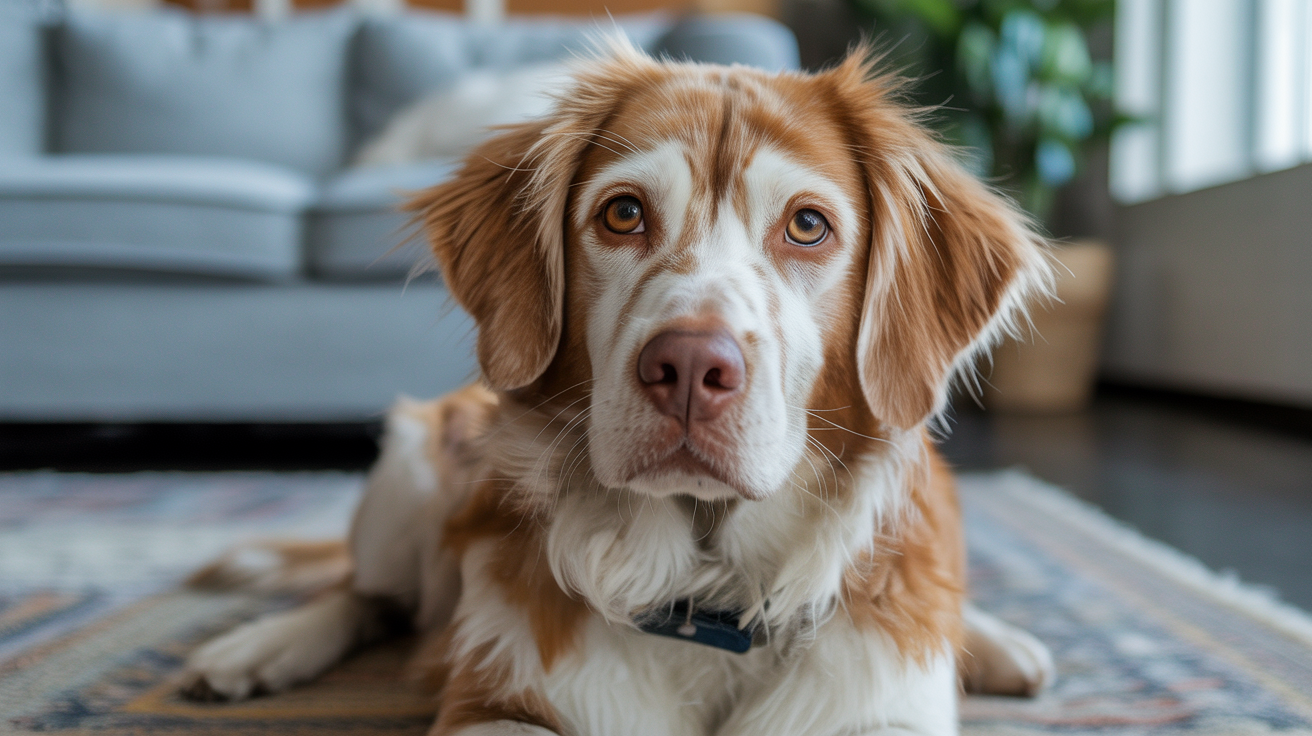
Dog separation anxiety is one of the most common behavioral problems owners bring to trainers, and it can feel defeating to watch. Your dog isn't being spiteful or badly trained. He's genuinely distressed when left alone, and that distress drives the barking, chewing, or house-soiling you come home to.
The good news: most dogs with mild to moderate separation anxiety improve considerably with a patient, structured approach. The bad news: there are no shortcuts. This guide walks through what actually works, what makes things worse, and when to loop in a professional.
What Separation Anxiety Actually Looks Like
Not every dog who barks at the door or chews a shoe has full-blown separation anxiety. True dog separation anxiety involves distress that starts before you leave and persists throughout the absence. Common signs:
- Frantic behavior as you prepare to leave (panting, pacing, shadowing, whining)
- Barking, howling, or whining that neighbors can hear within minutes of departure
- Destructive chewing or scratching at doors and windows, specifically near exit points
- House-soiling in a dog who is otherwise reliably house-trained
- Excessive drooling or self-grooming during your absence
- Dramatic, over-the-top greeting when you return
If your dog settles after you leave and only misbehaves later in the day from boredom, that's a different problem and has different solutions. Setting up a camera for an afternoon is the fastest way to know what you're actually dealing with.
Why Departure Cues Make Things Worse
Dogs are pattern machines. After a few weeks of living with you, your dog has memorized the sequence that predicts your absence: you pick up your keys, put on shoes, grab a bag, check your phone, and walk out. By the time you reach the door, an anxious dog is already in a stress spiral.
These learned triggers are called departure cues. The problem with departure cues is that the anxiety starts well before you leave, which means the dog spends longer in a stressed state every single time you go out.
The fix is to disconnect departure cues from actual departures. Do this by performing your departure routine throughout the day without leaving:
- Pick up your keys, then sit back down on the couch.
- Put on your shoes, then make coffee.
- Grab your bag, open the door, step outside for ten seconds, come back in, and carry on with your day.
Do this dozens of times a day for a few weeks. The goal is that keys, shoes, and bags become meaningless. When those cues stop predicting your absence, your dog's anxiety around them fades, and the countdown to panic no longer starts thirty minutes before you leave.
Building Alone Time Training Step by Step
Alone time training is systematic desensitization applied to absences. The core idea is that you never leave the dog alone for longer than he can cope without becoming distressed. You gradually increase duration only once he's comfortable at the current level.
Start with micro-absences. Close yourself in another room for fifteen seconds. Return before any anxiety kicks in. Repeat. When fifteen seconds is no big deal, go to thirty seconds, then a minute, then five. This can take days or weeks depending on the dog. Do not rush.
Keep departures and returns boring. No long goodbyes, no excited greetings. Say nothing when you leave; wait until the dog has settled before acknowledging him when you return. Drawn-out farewells raise the emotional stakes of your absence.
Give the dog something to do. A stuffed food toy or a chew given a moment before you step out gives the dog an activity to start on. This helps redirect the attention away from you and toward something positive. Rotate what you use so it stays interesting, but keep it for alone-time only so it carries some special value.
Track your progress in minutes. Write down today's maximum successful absence. You're aiming for steady gains, not leaps. A dog who tolerated forty minutes without distress last Tuesday is not automatically ready for eight hours on Thursday.
One thing that helps considerably for some dogs: crate training. A crate gives the dog a defined, predictable space and can reduce the frantic patrolling that often escalates anxiety. It only helps, though, if the dog genuinely likes the crate. A dog who hates confinement should not be crated to manage anxiety.
What Not to Do
A few approaches make separation anxiety worse, not better, and they come up often.
Punishment. Scolding or punishing a dog after the fact for anxious behavior does nothing to address the underlying fear. He cannot connect your anger with something that happened hours ago, and the added tension in your relationship is counterproductive.
Getting another dog. A second dog sometimes helps if the anxiety is mild and social in nature. For true separation anxiety, it often does not, because the distress is specifically about the owner's absence, not just about being alone.
Flooding. Leaving the dog alone for progressively longer periods and hoping he eventually gives up and copes is not desensitization. It's a form of flooding, and it reliably makes the anxiety worse.
Relying on daycare as the only management tool. Daycare is a reasonable short-term management option while you work on training, but it delays progress if it replaces training entirely. The dog never gets practice being alone.
Exercise and Mental Enrichment Are Supporting Acts
A well-exercised dog has less surplus energy to direct toward anxious behavior. A good walk or training session before a planned absence can take the edge off. That said, exercise alone rarely resolves separation anxiety. Treat it as a supporting factor, not the primary fix.
The same applies to mental enrichment. Puzzle feeders, sniff games, and training sessions all contribute to a calmer, more settled dog. If your dog is also pulling on the leash and rarely gets to use his nose on walks, working on loose-leash walking means walks become genuinely tiring and satisfying rather than just a chance to race around the block.
A reliable recall is also worth building, since it supports the kind of off-leash exercise that tires a dog out properly. You can find a structured approach in this guide to teaching a reliable recall.
When to Get Professional Help
Mild separation anxiety often improves with consistent owner effort over several weeks. Moderate to severe cases are harder to move without professional guidance, and some dogs need both behavioral support and medication to make progress.
Talk to your vet if:
- The dog is injuring himself trying to escape (broken teeth, bloody paws)
- The anxiety is so severe that even one-minute absences cause full panic
- You've been working consistently for several weeks with no improvement
- The dog is not eating or is losing weight
A vet can refer you to a board-certified veterinary behaviorist or assess whether anti-anxiety medication might help the dog get to a place where behavior modification can actually land. Medication alone won't solve the problem, but for dogs with severe anxiety it can lower the baseline enough that training becomes possible.
Frequently Asked Questions
How long does it take to treat dog separation anxiety? That varies a lot depending on the severity. A dog with mild anxiety and a cooperative owner might show real progress in four to eight weeks. Moderate cases often take several months of consistent work. Severe anxiety can take much longer and usually benefits from professional support. Patience matters more than speed here.
Should I leave the TV or radio on for my dog? Background noise can help some dogs feel less isolated, particularly if they're sensitive to outside sounds that would otherwise trigger barking. It doesn't fix the underlying anxiety, but if it takes the edge off, there's no harm in it. You can test whether it helps by reviewing your camera footage on days with and without it.
My dog only has separation anxiety on certain days. Why? Dogs pick up on schedules. If you leave at different times or for different durations on different days, the unpredictability itself can drive anxiety. A consistent routine, including consistent departure cues and return times, often helps reduce the baseline stress level.
Can puppies have separation anxiety? Puppies can show distress when left alone, but it's often just normal protest from a young dog who hasn't yet learned to settle. True anxiety is harder to distinguish at an early age. Either way, the approach is the same: build alone time gradually from day one rather than leaving a young puppy alone for long stretches before he's ready.
Is medication a last resort? Not necessarily. For dogs with moderate or severe anxiety, medication started alongside behavior modification often produces better results faster than behavior modification alone. Talk to your vet openly about it, because delaying medication while a dog suffers repeatedly through anxious episodes can entrench the problem.