Training & Behavior
How to Teach a Reliable Recall So Your Dog Comes Every Time
A calm, reward-based plan for teaching your dog to come every time you call, with games and real fixes for the dog who ignores you outdoors.
A reliable recall is the single most useful thing you can teach a dog. Dog recall training is not complicated, but most people make a few mistakes early on that quietly undermine the whole thing. Get the foundation right and your dog will come when called in a park full of squirrels. Get it wrong and you'll spend years lunging at the leash.
Why recall fails (and what actually fixes it)
The most common reason a dog ignores "come" is that the word has been poisoned. Owners call their dog to end the fun, to give a bath, to clip nails, or, worst of all, to scold them for something that happened ten minutes ago. The dog learns fast: coming when called means the good stuff stops.
The fix is simple but requires some discipline on your end. "Come" should predict good things, every single time, even when you're frustrated. If you need to take your dog somewhere unpleasant, walk over and gently take the collar rather than calling them to you. Reserve the recall cue for situations where you can follow through with a real reward.
A second issue is distance. People try off leash recall in an open field before the dog has any history of success in low-distraction settings. That's like teaching a kid to multiply before they know addition. Start at arm's length, build a hundred small wins indoors, then slowly add distance and distraction.
Building the foundation indoors
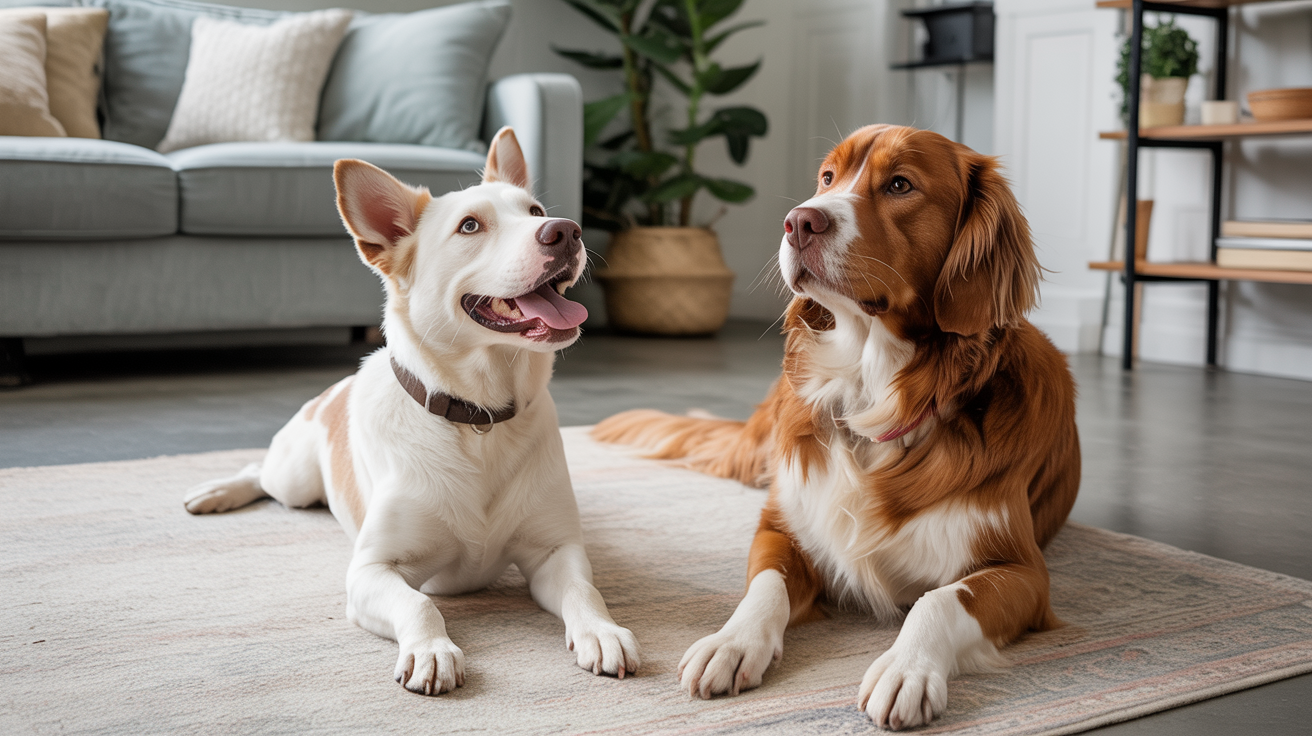
Start in your living room with no distractions. Get some high-value treats, soft, smelly ones like small pieces of chicken, cheese, or commercial training treats. Kibble rarely cuts it for recall work.
- Say your dog's name once, then your recall cue ("come" or whatever word you choose, keep it consistent).
- Back up a few steps as you say it. Movement away from you triggers the chase instinct and makes coming feel natural.
- The moment your dog reaches you, give three or four treats in quick succession, scratch behind the ears, make it a small party.
- Release with a "okay" or "go play" and let them walk away.
Do five or six short repetitions per session. End before your dog gets bored. At this stage you're not testing anything, you're just stacking up a long history of "come = great things happen."
If your dog has already learned to ignore "come," pick a brand-new word. "Here" and "close" work fine. A fresh cue means you start with a clean slate instead of fighting against weeks of conditioned indifference.
Recall training games that actually work
Games put the dog in the right mindset because they feel like play, not drills. These are practical and low-cost.
Ping-pong recall
Grab a second person. Stand 10 feet apart. Person A calls the dog, rewards well, then Person B calls. Go back and forth for two minutes. Dogs love this game because they get to run and the reward comes from whoever just called them. It also teaches that recall works regardless of who's asking, useful for families.
Hide and seek
Wait until your dog is wandering or sniffing elsewhere, then duck behind a door or around a corner and call them. When they find you, celebrate like they just performed a miracle. This version rewards the dog for actually searching you out, which is the real-world skill you want.
Long-line practice
A 15- or 20-foot long line (not a retractable leash) lets you practice recall in the backyard or a park without real risk. Let the dog sniff and explore. When they're focused on something, call them. If they don't respond within two seconds, give the long line a short, gentle pop to get their attention, not a yank, then back up enthusiastically. When they come, treat generously. The long line means you can always follow through without chasing, which is key. Chasing teaches the dog that running away works.
Introducing outdoor distractions
This is where most recall training stalls. The dog has a perfect recall inside, then steps into a park and becomes deaf.
Distraction is a skill that has to be built gradually. Use the table below as a rough progression guide.
| Stage | Environment | Distraction level | Leash status |
|---|---|---|---|
| 1 | Indoors, quiet room | None | Off leash |
| 2 | Backyard | Low (familiar smells) | Long line |
| 3 | Quiet street or empty park | Mild (distant dogs, traffic) | Long line |
| 4 | Moderate park | Medium (people, birds) | Long line |
| 5 | Busy park or dog park area | High | Off leash, only after solid stages 1-4 |
Move to the next stage when your dog is succeeding 8 times out of 10 at the current one. Don't rush it. A dog who has a 90% recall in a moderate park is genuinely useful. A dog with a "probably" recall is a dog that needs a leash at all times.
Outdoors, use even better treats than you do indoors. The competition is a world of fascinating smells, so your reward has to be worth interrupting that.
The "collar grab" habit
Lots of dogs come close, then dance away right before you can touch them. They know from experience that once the collar is grabbed, the walk ends or something unpleasant happens.
Fix this by making collar grabs part of every recall reward sequence. Call your dog, reward, then reach out calmly and hold the collar for two seconds, give another treat, then release. Do this every time. The collar touch stops meaning "it's over" and starts meaning "more treats are coming."
This habit also prevents the dog from treating recall as a game of "come close but stay out of reach", a habit that's maddening in real situations.
If you're working on leash manners at the same time, the guide on stopping leash pulling covers how to keep that training from conflicting with recall work.
What to do when your dog won't come
Even well-trained dogs occasionally ignore a recall, especially adolescents (roughly 6-18 months, depending on breed). Here's what to do in the moment:
- Don't repeat the cue. Calling "come come COME" teaches the dog the first "come" is optional.
- Don't chase. Approach calmly from the side, not head-on, and guide the dog by the collar or clip the leash.
- Don't punish when you catch them. Even if you're irritated, any negative reaction when they finally come to you makes the next recall harder.
- After the situation is handled, go back to basics for a week, shorter distances, fewer distractions, higher-value treats.
If your dog is ignoring recall consistently and nothing seems to work, it's worth ruling out hearing problems (especially in older or white-coated dogs, who have higher rates of congenital deafness) with a vet visit. That said, the vast majority of recall problems are training issues, not medical ones.
Dogs who are anxious or have trouble focusing in public settings sometimes benefit from working on impulse control more broadly. The same calm approach that works in crate training, short sessions, clear signals, no frustration, applies to recall work in distracting environments.
When to consider a professional trainer
Most people can teach a solid recall without professional help if they put in consistent practice. But get help if:
- Your dog has bolted into traffic or a dangerous situation more than once
- Your dog has a high prey drive (sight hounds, working terriers, some herding breeds) and ignores recall entirely near animals
- You've been training consistently for two months with no meaningful progress
Look for a trainer who uses reward-based methods and can show you their credentials (Certified Professional Dog Trainer, CPDT-KA is a solid baseline). Avoid anyone who relies on e-collars or choke chains as the primary tool for recall, those methods work for some trainers with specific experience, but for most pet owners they create more problems than they solve.
If jumping is also an issue when your dog does come running to you, the tips in this piece on stopping jumping pair well with recall work since both involve teaching the dog what to do with that excited energy.
Frequently asked questions
How long does it take to teach a reliable recall?
For most dogs starting from scratch, expect 4-8 weeks of consistent practice to get a solid indoor and backyard recall, and 3-6 months to build reliability in high-distraction outdoor settings. Breed matters: terriers and scent hounds typically take longer than herding breeds or retrievers. Age matters too, puppies under 16 weeks tend to follow their owners naturally, while adolescent dogs (around 8-18 months) are often harder to work with because their independence drive peaks.
Is a long line the same as a retractable leash?
No. A long line is a fixed-length leash, usually nylon or biothane, in the 15-30 foot range. A retractable leash has a brake and motor that keeps constant tension, this actually teaches dogs to pull and makes precise training signals harder to give. For recall work, use a fixed long line. They cost $15-30 and last for years.
Can I use a whistle instead of a verbal cue?
Yes, and for some dogs, especially those with hearing that's starting to decline, or dogs who work at a distance outdoors, a whistle can be easier to hear consistently. The training process is identical: pair the whistle blast with great treats until the dog responds reliably, then add distance and distraction. If you switch from a verbal cue to a whistle partway through, introduce the whistle as a new, separate cue rather than replacing the word mid-training.
My dog comes perfectly on leash but ignores me off leash. Why?
On-leash, the dog doesn't have a real choice. Off-leash, they do. This is normal and it's a sign the training needs to go through the off-leash stages more gradually. Go back to the long line in a low-distraction environment, build a solid history of success there, then very slowly introduce real off-leash freedom in a fenced area before moving to open spaces.
Should I ever use "come" to call my dog for something they don't like?
Ideally, no, not if you can help it. Walk over and get them instead. In practice, real life means sometimes you have to call your dog to clip a mat or give medication. When you do, give an exceptional reward after, even if the experience itself wasn't fun. Never skip the reward because "they know they have to do it anyway", that logic is how the recall cue slowly loses its power. Treat generously every time, no exceptions.