Grooming & Coat Care
How to Clean Your Dog's Ears Safely
How to clean your dog's ears safely at home, what solution to use, how often, and the signs of an ear infection that mean it's time for the vet.
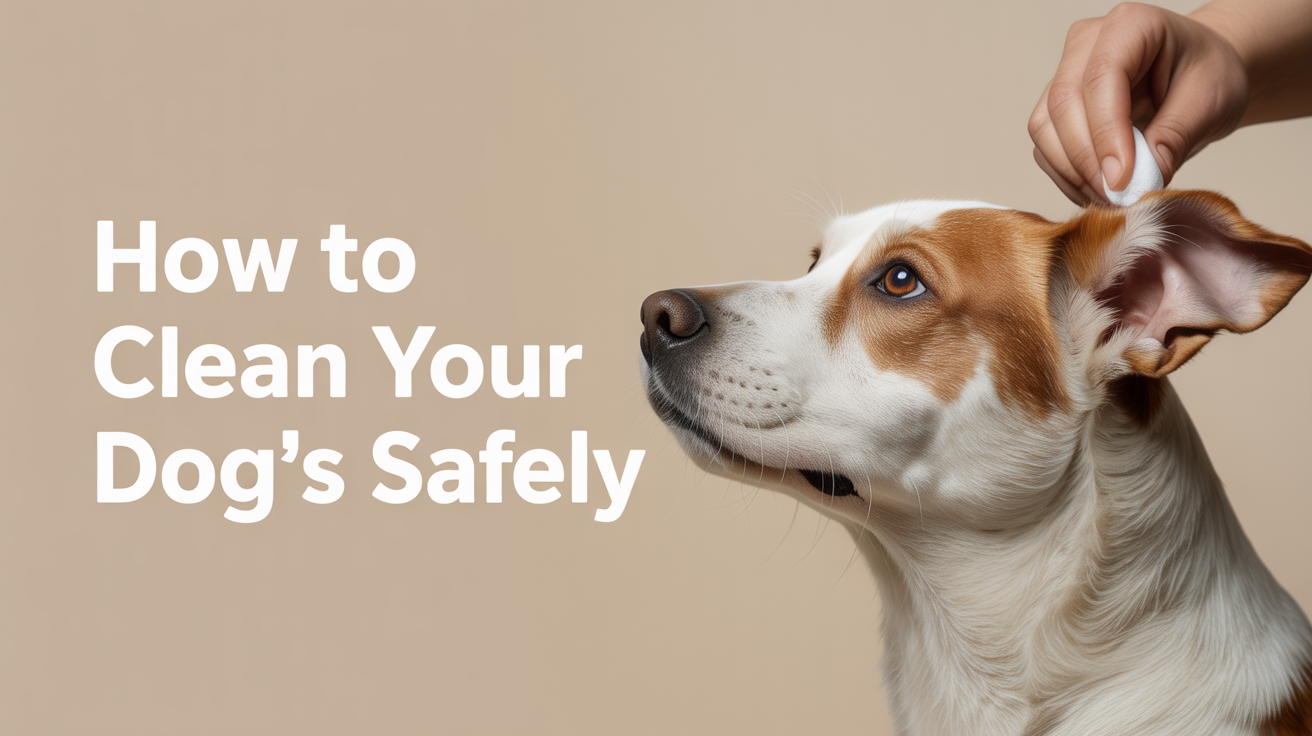
Most dogs need their ears cleaned occasionally, but not all the time, and doing it wrong can cause more harm than skipping it. Learning how to clean dog ears properly takes about five minutes of reading and a little practice, after that, it's a straightforward part of your regular grooming routine alongside bathing your dog at home.
How often to clean
Ear cleaning frequency depends on your dog's anatomy and lifestyle, not a fixed calendar.
- Drop-eared dogs (Cocker Spaniels, Basset Hounds, Poodles) trap moisture and debris under the flap and often need cleaning every 1-2 weeks.
- Upright-eared dogs (German Shepherds, Huskies) get more airflow and may only need cleaning once a month or after swimming.
- Dogs that swim regularly should have their ears dried and checked after every swim session.
- Dogs prone to allergies often have ears that need more frequent attention because inflammation increases wax production.
A quick sniff and visual check at each grooming session tells you more than any schedule. Clean when there's visible wax or light debris, not on a rigid timetable.
| Ear type | Suggested frequency | Watch for |
|---|---|---|
| Drop/floppy | Every 1-2 weeks | Moisture buildup, odor |
| Upright | Every 3-4 weeks | Debris, dark discharge |
| Heavy coat around ear canal | Every 1-2 weeks | Hair trapping wax |
| After swimming (any breed) | After each swim | Retained water |
What you need
Keep it simple. You don't need a full kit, just:
- A veterinarian-approved dog ear cleaning solution (more on this below)
- Cotton balls or gauze pads
- A few treats
- Good lighting
Skip cotton swabs (Q-tips). They push debris deeper into the canal and can damage the ear drum if your dog moves suddenly.
Choosing a dog ear cleaning solution
The right dog ear cleaning solution is one designed specifically for dogs, usually an alcohol-free formula with a gentle drying agent like boric acid or salicylic acid. These help break up wax and dry out residual moisture without irritating the skin.
Common vet-recommended options include brands like Virbac Epi-Otic, Zymox Ear Cleanser, and Vetericyn. Any of these are fine for routine maintenance.
What to avoid:
- Hydrogen peroxide, irritating and can damage tissue
- Rubbing alcohol, dries and inflames already-sensitive skin
- Olive oil or coconut oil, can trap bacteria and make infections worse
- Water alone, doesn't dry the canal and encourages yeast growth
If your dog has a current ear infection, check with your vet before using any cleaning solution. Some formulas interfere with prescription ear medications.
How to actually clean the ears
Make this a calm, low-pressure experience. If your dog has never had their ears cleaned before, spend a session or two just handling their ears and rewarding generously, the same patient approach you'd use when trimming dog nails without the stress.
Step by step:
- Sit on the floor or have your dog on a stable surface at a comfortable height.
- Gently lift the ear flap (if floppy) or just hold the ear steady.
- Squirt enough cleaning solution into the ear canal to fill it, don't be shy here, it should be audibly wet.
- Hold the ear flap down and massage the base of the ear firmly for 20-30 seconds. You'll hear a squelching sound, that's the solution loosening debris.
- Let go and let your dog shake their head. This brings loosened wax and debris up toward the opening.
- Use a cotton ball or gauze to wipe out what has come up into the outer canal. Go only as far as you can see.
- Reward with a treat and move to the other ear.
Never force a cotton ball deeper than the first knuckle. The goal is the outer canal and the folds of the outer ear, not deep cleaning, that's the vet's territory.
Signs something is wrong
Healthy ears look pale pink, smell faintly waxy at most, and the dog shows no interest in them. Signs that point to an infection or other problem:
- A strong, yeasty, or sour smell (smelly dog ears are the number one red flag owners notice)
- Dark brown or black discharge, or discharge that looks like coffee grounds
- Redness or swelling of the inner ear flap or canal opening
- Your dog shaking their head repeatedly, tilting it to one side, or scratching at one ear constantly
- Whimpering or pulling away when you touch near the ear
- A visible mass or growth in or around the ear
Any of these warrant a vet visit before you try to clean the ear yourself. Cleaning an infected ear without treating the infection can spread bacteria further into the canal and make things significantly worse.
Ear mites are worth mentioning separately, they're more common in puppies and dogs that have had contact with strays or cats. The discharge looks like dark crumbly material (often described as looking like coffee grounds), and both ears are usually affected at the same time. Ear mites need a prescription treatment, not just a cleaning.
Making ear cleaning less of a fight
Some dogs genuinely hate having their ears touched. That's usually because they've had painful ear infections in the past, or because ear handling was never introduced calmly. A few things that help:
- Build up slowly. Touch the outside of the ear, reward, stop. Repeat over several days before introducing the solution.
- Use a high-value treat, real chicken, cheese, or whatever your dog finds genuinely exciting.
- Keep sessions short. One ear at a time is fine if your dog is anxious.
- Never restrain forcefully. If your dog is trying to escape, the session is too long or too intense. Back off and try again later.
A dog that has learned ear cleaning is no big deal will stand calmly and wait for the treat at the end. It takes a few weeks with a nervous dog, but it does get there.
The same principle applies to the rest of the grooming routine, calm, reward-based handling from puppyhood makes everything easier. If you're working on coat care alongside ear hygiene, the approach in how to brush your dog based on their coat type covers the same patient introduction method.
Frequently asked questions
How do I know if my dog's ears are dirty or infected?
Dirty ears have light-colored or tan waxy buildup and no strong odor. An infected ear usually smells noticeably bad, often sour or yeasty, and may have dark discharge, visible redness, or make the dog uncomfortable when you touch it. If you're unsure, a vet can tell you in seconds by looking at a swab under a microscope.
Can I use water to flush my dog's ears?
Plain water isn't a good cleaning agent for dogs' ears. It doesn't dissolve wax effectively, and any water left in the canal creates a warm, damp environment where bacteria and yeast thrive. Use a proper dog ear cleaning solution instead.
My dog shakes their head a lot after cleaning. Is that normal?
Yes, shaking after you fill the canal with solution is normal and helpful. It brings debris up from deeper in the canal so you can wipe it away. If your dog is shaking their head throughout the day before or after cleaning, though, that's a sign of irritation or infection worth getting checked.
How deep should I go when wiping out the ear?
Only wipe what you can see. The outer canal and the folds of the outer ear are all you should touch. Going deeper risks damaging the ear drum and pushing debris further in. The solution and the shake do the deep work.
Are certain breeds more prone to ear infections?
Yes. Cocker Spaniels, Labrador Retrievers, Golden Retrievers, and Poodles show up disproportionately in vet records for ear infections. Breeds with narrow ear canals, heavy ear flaps, or a lot of hair inside the canal are most at risk. If you have one of these breeds, building a consistent ear-check habit early saves a lot of vet visits down the road.